A water storage tank can quietly do its job for years without asking for much attention. That’s probably why it’s easy to forget about. You fill it, use the water, and assume everything inside is just fine.
Then one day the water looks cloudy, a faucet starts collecting particles, or an appliance begins behaving strangely. Suddenly, that forgotten tank is very much on your mind.
Sediment and mineral deposits are common issues in water storage systems, particularly when tanks are connected to wells, rainwater collection systems, or mineral-rich water supplies. The good news is that regular inspection and sensible maintenance can prevent many of these problems from becoming serious.
Why Sediment Collects in Water Tanks
Over time, Sediment can settle at the bottom of a storage tank. It may come from the incoming water supply, surrounding soil, old plumbing, or natural minerals carried through the water.
A small amount may not cause an immediate problem. But when sediment continues accumulating, it can reduce usable tank capacity and potentially affect pumps, valves, filters, and other components.
In some systems, disturbed sediment can also move into household plumbing. That’s when you may start noticing cloudy water, particles in sinks, or clogged faucet aerators.
Regular inspection gives you a chance to deal with buildup before it spreads through the rest of the system.
Where Sand and Debris Come From
Private wells and rainwater collection systems can be particularly vulnerable to outside material entering the water supply.
Sand and debris may enter through the source, damaged components, poorly protected openings, or inadequate filtration. Rainwater systems, for instance, can collect leaves, dirt, insects, and other material from roofs and gutters before the water reaches the storage tank.
That doesn’t necessarily mean the system is poorly designed. Nature is messy, after all.
The important thing is making sure the system includes appropriate screens, covers, filters, and collection practices to reduce the amount of unwanted material entering the tank.
Mineral Buildup Can Be Sneaky
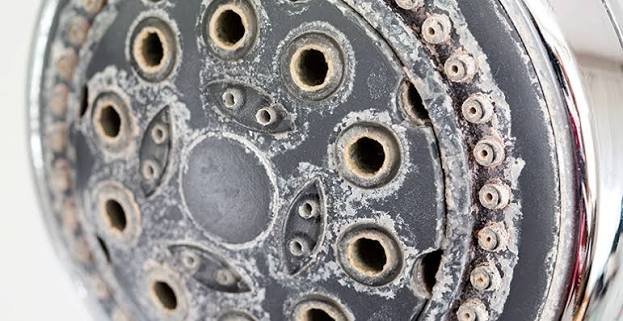
Unlike visible debris, Mineral buildup can develop gradually and may go unnoticed for quite some time.
Hard water contains minerals such as calcium and magnesium. When water is heated or allowed to evaporate, those minerals can leave deposits on surfaces and equipment.
Inside a storage system, buildup may affect valves, pumps, pipes, or other components. It can also become noticeable around faucets and fixtures throughout the home.
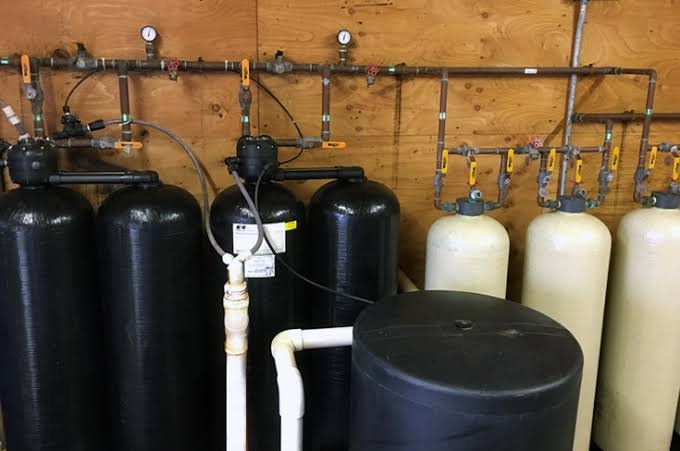
If your water is known to be hard, regular inspection becomes even more worthwhile. A water softener or other appropriate treatment may help reduce the amount of mineral scale entering the system, depending on the specific water chemistry.
Why Tank Cleaning Matters
A storage tank doesn’t need to be scrubbed every few weeks, but it shouldn’t be ignored indefinitely either.
The appropriate cleaning frequency depends on the tank type, water source, usage, and local recommendations. Drinking-water storage deserves particular attention because cleanliness is directly connected to the quality of the stored water.
Professional cleaning can remove accumulated sediment and help identify problems that aren’t obvious from outside the tank.
It’s also an opportunity to inspect fittings, valves, covers, and other components. Sometimes cleaning reveals a small repair that would otherwise have remained hidden.
Keep an Eye on Filters
Filters are often the first line of defense against particles entering your water system.
But filters don’t last forever.
As they collect material, they can become clogged and restrict water flow. A heavily loaded filter may also stop performing as effectively as it should.
Check the manufacturer’s recommendations for replacement intervals, but don’t rely entirely on the calendar. Changes in water quality or usage can affect how quickly a filter becomes loaded.
If you notice declining pressure or more particles appearing in your water, it may be time to investigate.
Protect the Tank From Contamination
The tank itself should be properly covered and protected.
A secure lid can help prevent insects, animals, leaves, dust, and other material from getting inside. The area around the tank should also be kept reasonably clean.
For rainwater systems, gutters and downspouts deserve attention too. If they’re packed with leaves and dirt, that material can eventually make its way into the storage system.
Simple prevention is often much easier than trying to clean up a heavily contaminated tank later.
Watch for Changes in Water Quality
Your water can sometimes tell you when something needs attention.
A sudden change in color, unusual particles, new odors, or changes in taste shouldn’t simply be dismissed. These signs don’t automatically mean the water is unsafe, but they do suggest that something has changed.
If the water comes from a private well, changes may be related to groundwater conditions, heavy rainfall, nearby activity, or an issue with the well itself.
Testing can help determine whether the problem is coming from the source, the storage tank, the treatment equipment, or the plumbing.
Maintenance Is Cheaper Than Emergency Repairs
It’s easy to postpone maintenance when everything seems fine. There’s always something else to do around the house.
But storage systems are no different from cars, heating equipment, or other essential household systems. A little attention can prevent bigger problems.
Keep track of cleaning dates, filter replacements, inspections, and repairs. If your system has pumps or specialized treatment equipment, follow the recommended maintenance schedule.
And if something looks unusual, deal with it early.
Choosing the Right Approach
Not every tank needs the same maintenance routine. A small residential tank connected to municipal water will have different needs from a large cistern supplied by a private well or rainwater collection system.
That’s why maintenance should be based on the actual system rather than a generic checklist.
If you’re unsure about sediment levels, water quality, or the condition of the tank, professional inspection can provide useful answers. It may also prevent you from replacing equipment unnecessarily.
A Cleaner Tank Means Fewer Surprises
Water storage is one of those household jobs where prevention really pays off.
Keeping the tank clean, protecting it from outside debris, replacing filters when needed, and paying attention to changes in water quality can help your system remain dependable for years.
You don’t have to obsess over every speck of dust or mineral deposit. Just stay reasonably consistent.
A well-maintained storage system is quieter, more reliable, and much less likely to surprise you with an expensive problem at the worst possible time. And honestly, when it comes to something as important as the water your household depends on, that peace of mind is worth the effort.