Commercial water treatment isn’t the kind of thing most business owners wake up thinking about. There’s payroll to manage, customers to serve, inventory to track, equipment to maintain. Water usually sits somewhere in the background, quietly doing its job.
Until scale gets in the way.
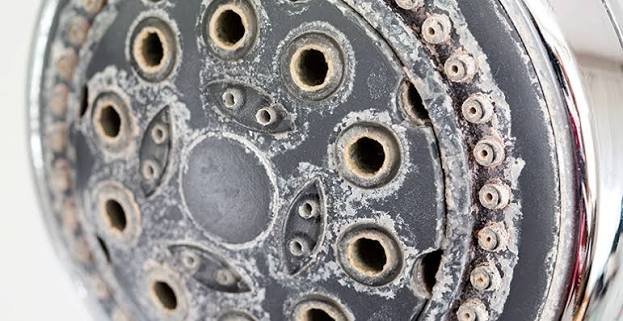
Hard water can create deposits inside equipment, leave spots on fixtures, increase cleaning demands, and contribute to maintenance problems. In a busy commercial facility, even a relatively ordinary water-quality issue can become costly when it happens repeatedly.
That’s why choosing a commercial water softener isn’t simply about finding a machine that can make water “softer.” It means finding equipment that fits the building, water demand, operating schedule, and long-term maintenance plan.
Start With the Facility, Not the Brochure
Every commercial property uses water differently.
A restaurant may have intense bursts of water usage during preparation and cleanup. A hotel can experience major morning demand when guests shower and staff begins laundry operations. A manufacturing facility might need steady flow throughout an entire shift.
Those differences matter.
Before selecting equipment, look at the facility’s water consumption, peak flow rate, hardness level, plumbing arrangement, and available installation space. Average daily consumption is useful, but peak demand can be even more important.
A system that works perfectly on a quiet Tuesday morning may struggle when everyone turns on the water at once.
What Makes Commercial Softening Different?
Residential systems are designed around household demand. Commercial systems need to deal with higher volumes and often much more demanding operating conditions.
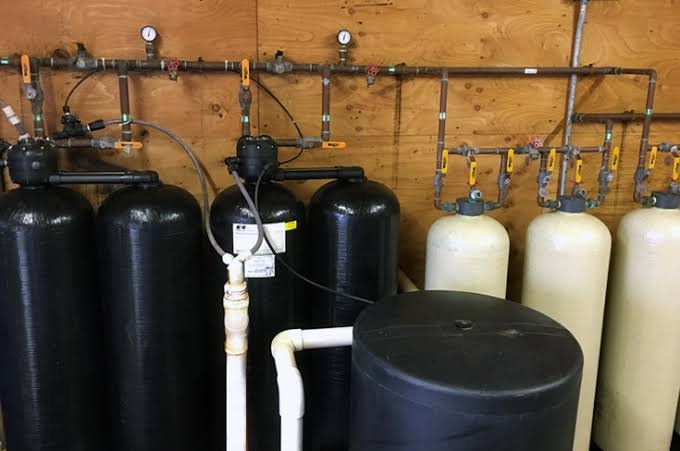
For businesses considering hydrus series commercial water softeners, the important question isn’t simply whether the equipment can reduce hardness. It’s whether the system is appropriately sized and configured for the application.
Capacity, flow, regeneration behavior, control options, and service requirements all deserve attention.
A good commercial installation should provide treated water consistently without creating unnecessary downtime or excessive operating costs.
Don’t Underestimate the Value of a Smart Control System
Controls are easy to overlook because they’re not as visually impressive as tanks, pipes, and valves.
But they’re essentially the brain of the system.
A well-designed controller can help manage regeneration, monitor operating conditions, and make it easier for facility managers to understand what’s happening with the equipment.
The hydrus smart start controller is an example of a control approach designed to bring more intelligence and convenience to commercial water-softening operation. For a busy facility, straightforward controls can make routine operation easier and reduce the amount of guesswork involved.
Still, “smart” shouldn’t mean complicated. The best controls are the ones staff can understand and use without needing a technical manual every time they make an adjustment.
Water Testing Should Come Before Equipment Selection
It sounds obvious, but it’s worth repeating: test the water first.
Hardness isn’t identical from one location to another. Even businesses drawing water from similar sources can have different treatment requirements.
Testing can establish hardness levels and may also identify iron, manganese, sediment, pH issues, or other characteristics that could affect equipment selection.
Why does that matter?
Because a softener should be designed around the water it’s actually treating. If hardness is underestimated, the system may regenerate too often or struggle to meet demand. If capacity is unnecessarily oversized, the business may pay more than it needs to.
The numbers should guide the equipment.
Consider the CP Series When Application Demands Matter
Different facilities have different operating expectations, and sometimes a straightforward commercial design is exactly what makes sense.
CP series water softeners can be considered as part of a commercial treatment strategy where dependable hardness reduction and practical operation are priorities.
The right model still depends on the facility’s requirements. A small commercial building shouldn’t automatically receive the same system as a large hotel or industrial operation.
Sizing isn’t a detail to figure out after purchase. It’s one of the first decisions.
Think About What Hard Water Is Doing Downstream
A softener doesn’t just affect the water itself. It can influence the equipment that uses that water.
Scale can accumulate in water heaters, dishwashers, boilers, laundry equipment, humidifiers, and other systems. When mineral deposits build up, efficiency can decline and cleaning or servicing may become more frequent.
In a commercial environment, these costs can add up quietly.
A restaurant may have to clean dishwashing equipment more often. A hotel could deal with mineral spots across hundreds of fixtures. A facility with heated water processes may spend more time managing scale inside equipment.
Reducing hardness can therefore be part of a larger equipment-protection strategy.
Peak Flow Is Easy to Forget
Capacity gets plenty of attention in water treatment discussions, but flow rate deserves just as much.
A system might have sufficient overall capacity yet still fail to provide the necessary flow during busy periods.
Imagine a hotel during the morning rush. Guests are showering, staff is cleaning rooms, laundry equipment is running, and kitchens are operating. That’s not the time to discover that the treatment system can’t keep up.
Look at both daily water volume and peak flow requirements. A professional sizing assessment should account for the real-world usage patterns of the facility.
Maintenance Has a Cost, Too
Every commercial water system needs some level of maintenance.
Salt levels may need checking. Control valves need inspection. Connections can wear. Settings may need adjustment if water use changes.
Before buying equipment, ask what routine service involves and who will handle it.
A system that’s slightly more expensive but easy to maintain may be a better business investment than a cheaper system that requires frequent specialist attention.
Downtime has a price. That’s especially true in businesses where water is essential to daily operations.
Don’t Assume Softening Solves Every Water Problem
Water hardness may be the main issue, but it isn’t necessarily the only one.
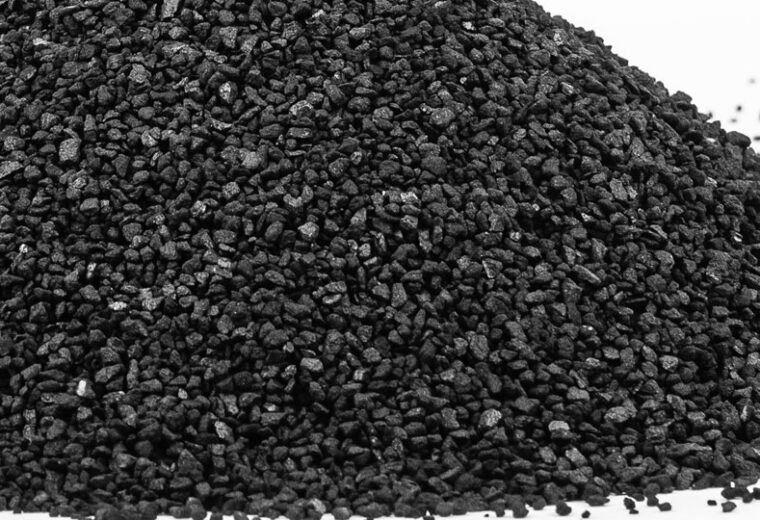
If the water also contains sediment, iron, unpleasant odors, or other contaminants, additional treatment may be required. A sediment filter, carbon system, or specialized treatment stage could potentially work alongside the softener.
This is another reason water testing matters.
The purpose of a commercial treatment system isn’t to collect equipment. It’s to solve a specific set of water-quality problems as efficiently as possible.
Think About Long-Term Operating Costs
The initial equipment price is only one part of the investment.
Businesses should also consider water consumption during regeneration, salt or media requirements, maintenance, replacement parts, service costs, and expected equipment life.
A system that costs less to purchase but uses significantly more resources may not remain the cheaper option for long.
Look at the numbers over several years rather than focusing entirely on the invoice from installation day.
Choose for the Reality of Your Business
The right commercial water softener is ultimately the one that fits the facility’s actual needs.
Start with water testing. Understand hardness and peak demand. Evaluate controls, maintenance, installation requirements, and long-term operating costs. Then compare equipment based on those facts.
Systems such as the Hydrus series, smart control options, and CP series can each have a place in commercial water treatment, but the best choice depends on the application rather than the name on the equipment.
Water treatment may not be the most exciting part of running a business. It doesn’t need to be. Ideally, the system sits quietly in the background, protecting equipment and delivering reliable performance while everyone else gets on with the real work.
That’s the sign of a good installation—not that people notice it, but that they don’t have to.