Water can be perfectly ordinary one day and strangely noticeable the next. You make coffee and it tastes different. The shower leaves your skin feeling a little dry. There are spots on the dishes, a white crust around the faucet, or an odor that wasn’t there before.
It’s tempting to blame the plumbing immediately, but water itself has a lot going on beneath the surface. Minerals, naturally occurring substances, treatment chemicals, and even the condition of household pipes can influence what you see, smell, taste, and feel.
The tricky part is knowing which changes matter and which are simply characteristics of the local supply.
That’s why good water treatment begins with understanding the water rather than buying equipment first.
Hard Water Leaves Familiar Clues
One of the most common water-quality concerns is hardness, which generally refers to the presence of dissolved calcium and magnesium.
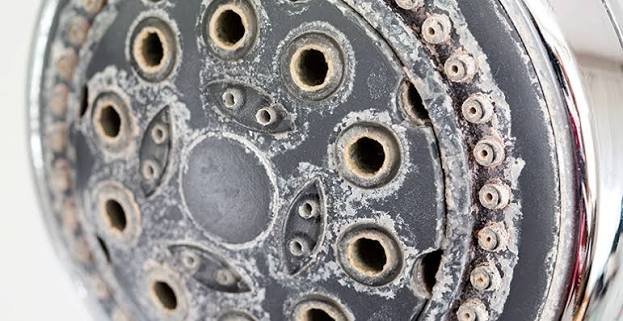
These minerals aren’t usually visible in a glass of water, but their effects can become obvious around the house. Faucets develop chalky deposits. Shower doors collect stubborn spots. Soap seems to disappear without producing much lather, and dishes may come out of the dishwasher looking less than sparkling.
Over time, mineral scale can also build up inside plumbing fixtures and water-using appliances.
Hard water isn’t necessarily a reason to panic. For many households, it’s more of a nuisance and maintenance concern than an immediate danger. Still, if scale is becoming a constant battle, testing the water can help determine just how hard it actually is.
That information makes it easier to decide whether softening or another treatment approach is appropriate.
Taste Can Tell You Something
Water doesn’t need to smell terrible to be unpleasant.
Sometimes the difference is subtle. Maybe the first sip of tap water has a swimming-pool-like quality, or coffee brewed with it tastes slightly sharper than usual. People who drink tap water regularly tend to notice these changes quickly.
Chlorine is commonly used to disinfect municipal water supplies, and its presence can sometimes be noticeable in taste or odor. The amount varies depending on the water supply and treatment process.
For homeowners who dislike that taste, filtration can provide an improvement. Carbon-based filtration is commonly used to reduce chlorine and certain compounds that affect taste and odor.
But again, context matters. A noticeable chlorine taste doesn’t automatically mean the water is unsafe. Disinfection is an important part of public water treatment. The goal of additional filtration may simply be improving the sensory experience.
Activated Carbon Has a Useful Role
When people hear “water filter,” they sometimes imagine one technology that handles everything.
In reality, filtration media are designed for specific jobs.
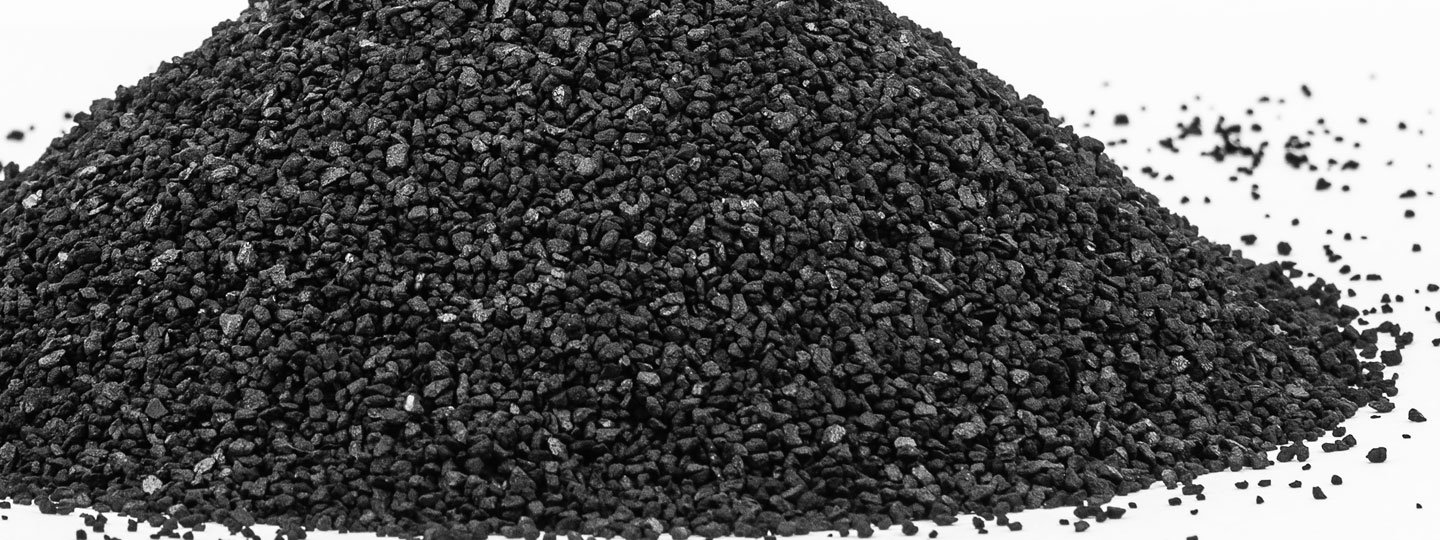
Activated carbon is particularly useful because of its ability to adsorb certain compounds from water. It’s commonly used to improve taste and odor and can reduce chlorine and some organic compounds depending on the filter design.
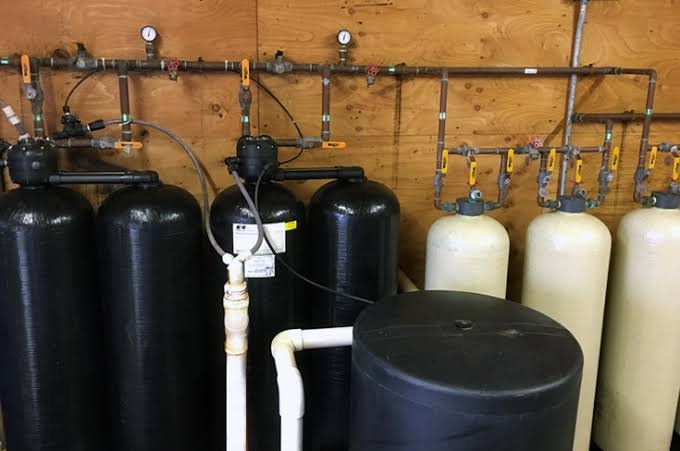
Carbon filters are available in many forms, from simple point-of-use cartridges to larger whole-home systems.
Their effectiveness depends on several factors, including the type and amount of carbon, water flow rate, contact time, and the substances being targeted.
That’s why changing a filter according to the manufacturer’s recommendations matters. Once the media’s capacity is exhausted, performance can decline.
Not Every Water Issue Needs the Same Solution
This is where water treatment can become confusing.
A homeowner may notice scale and assume a carbon filter will solve it. Another may taste chlorine and purchase a softener. Neither choice necessarily addresses the underlying issue.
Different problems call for different approaches.
Softening is generally aimed at hardness minerals. Sediment filtration addresses physical particles. Carbon filtration can improve taste and odor and reduce certain compounds. Reverse osmosis can reduce many dissolved substances, while ultraviolet treatment may be used for microbial disinfection.
The right solution depends on the actual water.
Testing is therefore one of the most useful steps a homeowner can take before investing in equipment.
Private Wells Need Extra Attention
Well water can be wonderfully fresh, but it can also vary considerably.
Groundwater characteristics depend on local geology, surrounding land conditions, and the well itself. Mineral content can change. Sediment may enter the system. Iron or sulfur-related issues can sometimes affect appearance or odor.
Unlike a municipal supply, a private well doesn’t come with a centralized treatment program managing the water after it leaves the property.
That makes regular testing particularly important for well owners.
Testing can also help establish a baseline. If the water changes later, you’ll have something to compare against rather than relying on memory.
Your Plumbing Can Influence the Experience
Sometimes the issue isn’t entirely the source water.
Household plumbing can affect water quality, especially in older properties. Corrosion, mineral deposits, aging fixtures, and stagnant water in infrequently used pipes can all influence what comes out of a faucet.
If only one tap has a strange taste or discoloration, that may be a useful clue.
For example, if the kitchen faucet produces unusual water while another fixture does not, the problem could be localized rather than affecting the entire supply.
Running the water briefly may help with stagnant water, but persistent changes should be investigated rather than ignored.
Don’t Forget the Water Heater
Water quality and water heating have an interesting relationship.
Minerals can accumulate inside storage tanks, creating sediment that may contribute to noise and reduced efficiency. Hard water can also encourage scale formation on heating components.
If your water heater begins making popping, cracking, or rumbling noises, it may be worth having it inspected.
A professional can determine whether sediment buildup, a failing component, or another issue is responsible.
This is another reason whole-home water management is more connected than it first appears. The water entering the house eventually interacts with almost everything.
Maintenance Is Part of Good Water Treatment
Installing filtration equipment doesn’t mean the job is finished.
Filters need replacing. Softening systems need servicing. Reverse osmosis membranes eventually require replacement. UV equipment requires attention to lamps and components.
Skipping maintenance can turn an effective system into an expensive container taking up space in the utility room.
Before choosing equipment, understand the maintenance schedule. Ask what needs to be replaced, how often it needs attention, and what happens if maintenance is delayed.
The best system is one you can realistically maintain.
Don’t Treat Every Change as an Emergency
Not every unusual taste or white spot means something is seriously wrong.
Water has natural characteristics, and some changes are simply aesthetic. Others may point toward equipment or plumbing issues that should be addressed.
The sensible approach is somewhere between ignoring everything and worrying about everything.
Notice changes. Test when appropriate. Ask questions. Look for patterns.
If the issue is persistent or significant, professional evaluation can help identify the cause and determine whether treatment is actually necessary.
Better Water Starts With Understanding
There’s a certain temptation in water treatment to focus on products first. Bigger filters, more stages, newer technology — it can all sound impressive.
But the better starting point is much simpler.
What is in the water? What bothers you about it? What does testing show? How much water does the household use? Is the issue coming from the source, the plumbing, or a specific appliance?
Once those questions are answered, the technology becomes much easier to understand.
Good water treatment isn’t about making water complicated. It’s about solving the right problem with the right approach.
And when you get it right, the result is pleasantly ordinary: water that tastes good, works well throughout the house, causes fewer scale headaches, and doesn’t demand your attention every time you turn on the tap. That’s a pretty worthwhile improvement for something we use every single day.