There’s something frustrating about cleaning a sink or toilet bowl, stepping back with that small proud feeling, and then seeing the same rusty-looking marks creep back again a few days later. At first, you may blame old fixtures. Then maybe the cleaning products. After a while, you start wondering if the problem is actually coming from the water itself.
In many homes, especially those using well water, iron is one of those quiet troublemakers. It doesn’t always make water unsafe, but it can make daily life more annoying than it needs to be. Stains, metallic taste, cloudy water, and buildup around fixtures can all point toward iron making its way through your plumbing. And once it starts showing up, it rarely fixes itself.
Why Those Rusty Stains Keep Coming Back
One of the clearest signs of iron in water is red-brown stains around sinks, tubs, toilets, and laundry. They can look a lot like rust, because that’s basically what iron becomes when it reacts with oxygen. You scrub it away, it returns. You try a stronger cleaner, it fades for a while, then slowly comes back again. Not exactly the kind of household routine anyone enjoys.
These stains may appear worse in areas where water sits for longer, like toilet bowls or shower corners. White clothes may come out of the wash looking dull or slightly yellowed. Even dishes and glassware can pick up faint marks if the iron level is high enough. The annoying part is that the water may look clear when it first comes out of the tap, then discolor after standing for a bit.
That’s why testing matters. You can’t always judge iron by appearance alone.
Iron Can Affect More Than Fixtures
Most people focus on the visible stains, which makes sense. They’re irritating and embarrassing, especially when guests come over. But iron can also affect the way water tastes and smells. Some homeowners notice a metallic flavor in drinking water or coffee. Others see cloudy water, orange sediment, or dark particles in filters and faucet screens.
Iron may also feed certain types of bacteria that create slimy buildup inside pipes, toilet tanks, and plumbing fixtures. This doesn’t always happen, but when it does, it can make the problem feel worse. You might notice staining combined with odor or a strange film that keeps returning no matter how often you clean.
And then there’s the simple fact that iron makes a home feel less fresh. Nobody wants to wonder whether the laundry is really clean or whether the bathroom looks dirty because of the water.
A Filter That Matches the Problem
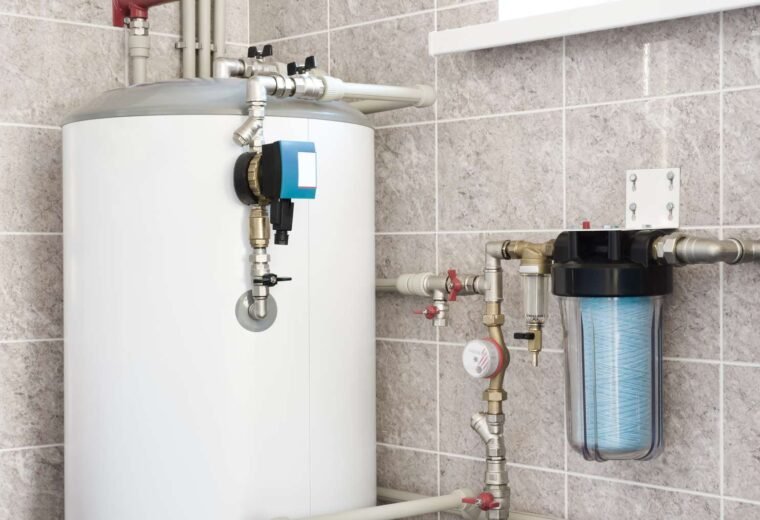
If testing confirms iron, the next step is choosing the right treatment. An iron water filter is designed to reduce iron before it travels through the home, helping prevent stains, metallic taste, and buildup. But not every iron problem is the same. Water may contain dissolved iron, oxidized iron, iron bacteria, or a mix of issues. The treatment should match the type and level found in the water.
This is where guesswork gets expensive. A basic cartridge filter may catch some visible particles, but it often won’t solve dissolved iron. A softener may help in certain low-iron situations, but it is not always the best stand-alone answer for heavier iron problems. Some systems use oxidation, filtration, or other treatment methods to handle iron more effectively.
The right choice depends on your water test results, your plumbing, and how much water your household uses.
How Iron Impacts Appliances Over Time
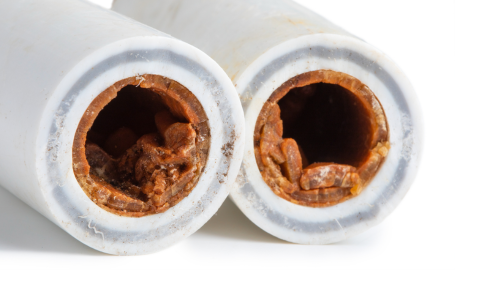
Iron doesn’t just stain surfaces. It can also create buildup inside water-using appliances including washing machines, dishwashers, water heaters, and coffee makers. Over time, that buildup may reduce performance, leave residue, or make appliances work harder than they should. It’s not always dramatic at first. More often, it shows up slowly — laundry looking dingy, dishes not rinsing cleanly, or hot water equipment needing extra attention.
A water heater, for example, can collect sediment and minerals at the bottom of the tank. If iron is part of that mix, the system may become less efficient and harder to maintain. Washing machines can also suffer because iron in water may cling to fabrics and create stains that are difficult to remove.
So while the bathroom stains may be the first thing you notice, the bigger issue may be what’s happening behind the scenes.
Testing Before Treatment Is Always Smarter
Before investing in a system, get the water tested. A proper analysis can show how much iron is present and whether other issues are involved, like hardness, manganese, sulfur, low pH, or sediment. These details matter because water problems often overlap. Treating only one part of the issue may leave you disappointed with the results.
Testing also helps avoid overspending. You don’t want a system that is too small, too basic, or built for a problem you don’t actually have. A good water treatment professional can explain the findings in plain language and recommend a setup that fits the home, not just a generic product.
Cleaner Water Makes the Whole Home Easier to Maintain
When iron is properly treated, the difference can be surprisingly noticeable. Fixtures stay cleaner for longer. Laundry looks brighter. Water tastes better. Appliances have less mineral and iron-related buildup to fight through. Even the bathroom feels easier to maintain, which is a small blessing anyone who cleans regularly can appreciate.
Iron in water may not always be urgent, but it is worth taking seriously. Those stubborn stains are more than a cosmetic nuisance. They’re a sign that your water is carrying something through the home every single day.
The good news is that once you know what’s causing the issue, you can choose a solution with confidence. Better water doesn’t have to be complicated. Sometimes it starts with a simple test, a clear answer, and finally saying goodbye to those rusty stains that never seemed to leave.