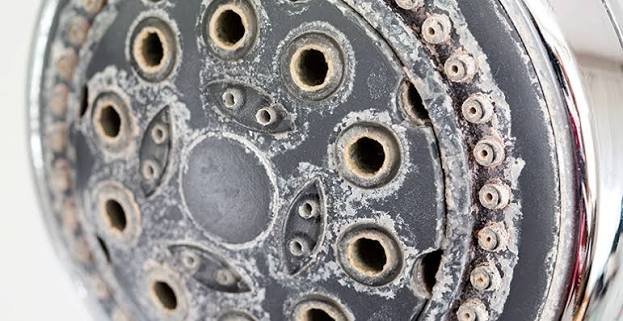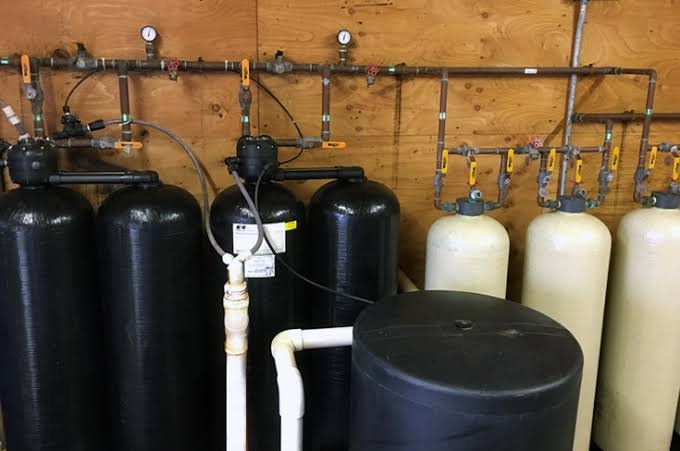
A water softener is not exactly the most glamorous thing in a house. It usually sits in a garage, utility room, basement, or side area, doing quiet work that nobody really thinks about until something feels off. But when it’s working properly, you notice the comfort. Showers feel better. Soap rinses cleaner. Towels come out softer. Faucets don’t get covered in white crust quite so fast.
Still, many homeowners have only a vague idea of how their softener actually works. They know salt goes in, soft water comes out, and every so often the system makes a little noise at night. That’s about it. And honestly, that’s fine — until the salt disappears too quickly, the water starts feeling hard again, or the system seems to be running more often than it should.
Why the Salt Tank Matters
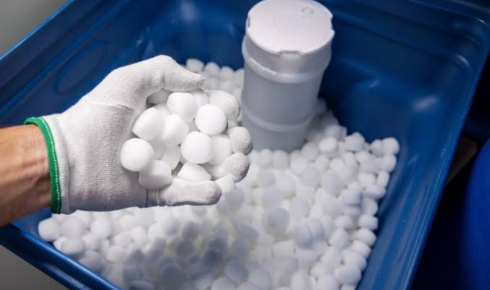
The brine tank is one of the most important parts of a traditional water softener. It holds salt and water, creating the salty brine solution used during regeneration. This brine helps clean and recharge the resin beads inside the softener so they can keep removing hardness minerals from the water.
If the tank is not working correctly, the whole system can struggle. Salt bridges, clogged lines, too much water, or too little water can all affect performance. Sometimes the softener itself is fine, but the salt tank needs attention.
A quick check now and then can prevent a lot of frustration. The salt should not be allowed to run completely empty, and the tank should be inspected for hardened salt crusts that stop proper brine formation.
Understanding How Much Salt Your Softener Uses
Homeowners often wonder whether their softener is using too much salt. The answer depends on several things: water hardness, household size, daily water use, system size, and regeneration settings. A large family with very hard water will naturally use more salt than a smaller household with moderate hardness.
Healthy salt usage is about balance. If the system uses too little, it may not regenerate properly and hard water can return. If it uses too much, money is wasted and the system may be cycling more than needed.
Modern demand-based softeners can help by regenerating according to actual water use instead of a fixed schedule. That usually makes them more efficient than older timer-based units.
What Is Actually Happening Inside the Softener?
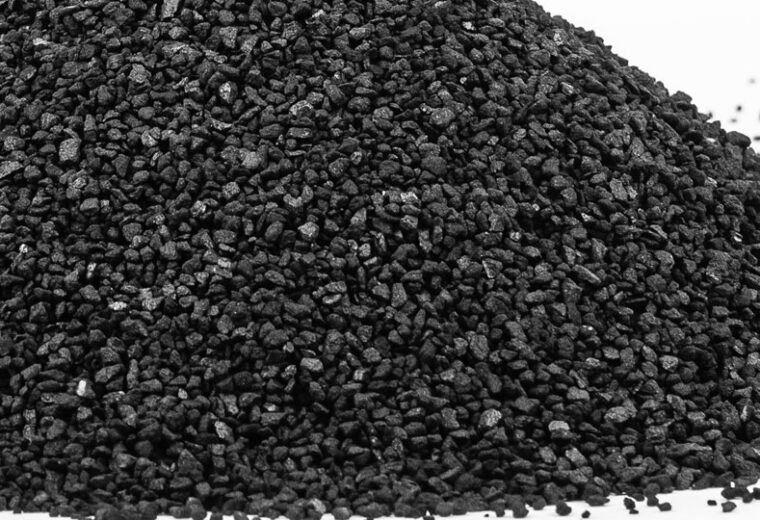
The real work happens inside the resin tank. Hard water flows through tiny resin beads that attract calcium and magnesium, the minerals responsible for scale and many hard water problems. As these minerals stick to the resin, sodium or potassium ions are released into the water.
This is called the ion exchange process, and it is the basic science behind most residential water softeners. It sounds technical, but the idea is simple: hardness minerals are swapped out so the water feels softer and behaves better in the home.
Over time, the resin beads become loaded with hardness minerals. That is why regeneration is needed. The brine solution flushes those minerals away and prepares the resin for another cycle.
Signs Something May Be Wrong
A softener that is not working properly usually leaves clues. You may notice spots on dishes, dry-feeling skin, stiff laundry, soap that does not lather well, or scale returning around fixtures. The system may also use salt unusually fast, regenerate too often, or seem to do nothing even when the salt tank is full.
Sometimes the problem is simple. The salt may have bridged, creating an empty space underneath a hard crust. The control settings may be wrong. The brine line may be blocked. In older systems, the resin may be worn out and no longer able to soften water effectively.
Ignoring these signs can allow hardness minerals to build up again in plumbing, appliances, and fixtures.
Why Regeneration Timing Matters
Most softeners regenerate at night because that is when water use is usually lowest. During regeneration, the system draws brine, rinses the resin, flushes out minerals, and returns to service. If this happens during a busy part of the day, homeowners may notice pressure changes or untreated water.
The timing should match the household’s routine. A family that uses water late at night may need different settings than one with a normal daytime schedule. The goal is soft water when people need it, without wasting salt or water.
Maintenance Keeps Things Running Smoothly
A water softener does not need constant attention, but it should not be ignored forever. Salt levels should be checked regularly. The tank should be cleaned occasionally if residue builds up. The system settings should match the home’s hardness level and water use.
It also helps to use good-quality salt. Cheap or dirty salt can leave more residue and may lead to bridging or mush at the bottom of the tank. If the softener has not been serviced in years, a professional inspection can catch small issues before they become bigger repairs.
Softer Water, Less Hassle
The best water softener is one you barely have to think about. It regenerates when needed, uses salt efficiently, and keeps hardness minerals under control. But understanding the basics makes it easier to spot trouble early.
When the salt tank, resin, and regeneration cycle are all working together, the whole home benefits. Showers feel cleaner. Laundry feels softer. Appliances face less scale. And daily water use just feels a little easier, which is exactly what a good softener should deliver.