There’s a strange little pattern with home plumbing: the things we use every single day are often the things we notice the least.
The toilet flushes, the shower runs, the kitchen sink drains and hot water appears when we need it. Everything feels normal. Then one morning the toilet won’t stop running, the shower turns cold halfway through, or water starts collecting somewhere it definitely shouldn’t.
Suddenly, plumbing becomes everyone’s problem.
The good news is that many common plumbing issues give off warning signs before they become major emergencies. Knowing what those signs mean, keeping up with basic maintenance and getting professional help at the right time can save money and a fair amount of frustration.
Toilets Need More Attention Than They Get
A toilet is one of the hardest-working fixtures in a home. It gets used several times a day, yet most people only think about it when something goes wrong.
A constantly running toilet is one of the most common problems. The cause may be a worn flapper, faulty fill valve, incorrect water level or another component inside the tank.
A professional toilet service can help identify the actual cause instead of simply replacing parts at random. This matters because a small internal fault can waste a surprising amount of water over time.
You may also notice other warning signs, such as weak flushing, unusual sounds, water around the base or a toilet that frequently clogs. These aren’t necessarily disasters, but they’re worth investigating.
Don’t Wait Too Long When Hot Water Acts Strange
Few things are more irritating than turning on the shower and discovering that the water isn’t getting hot.
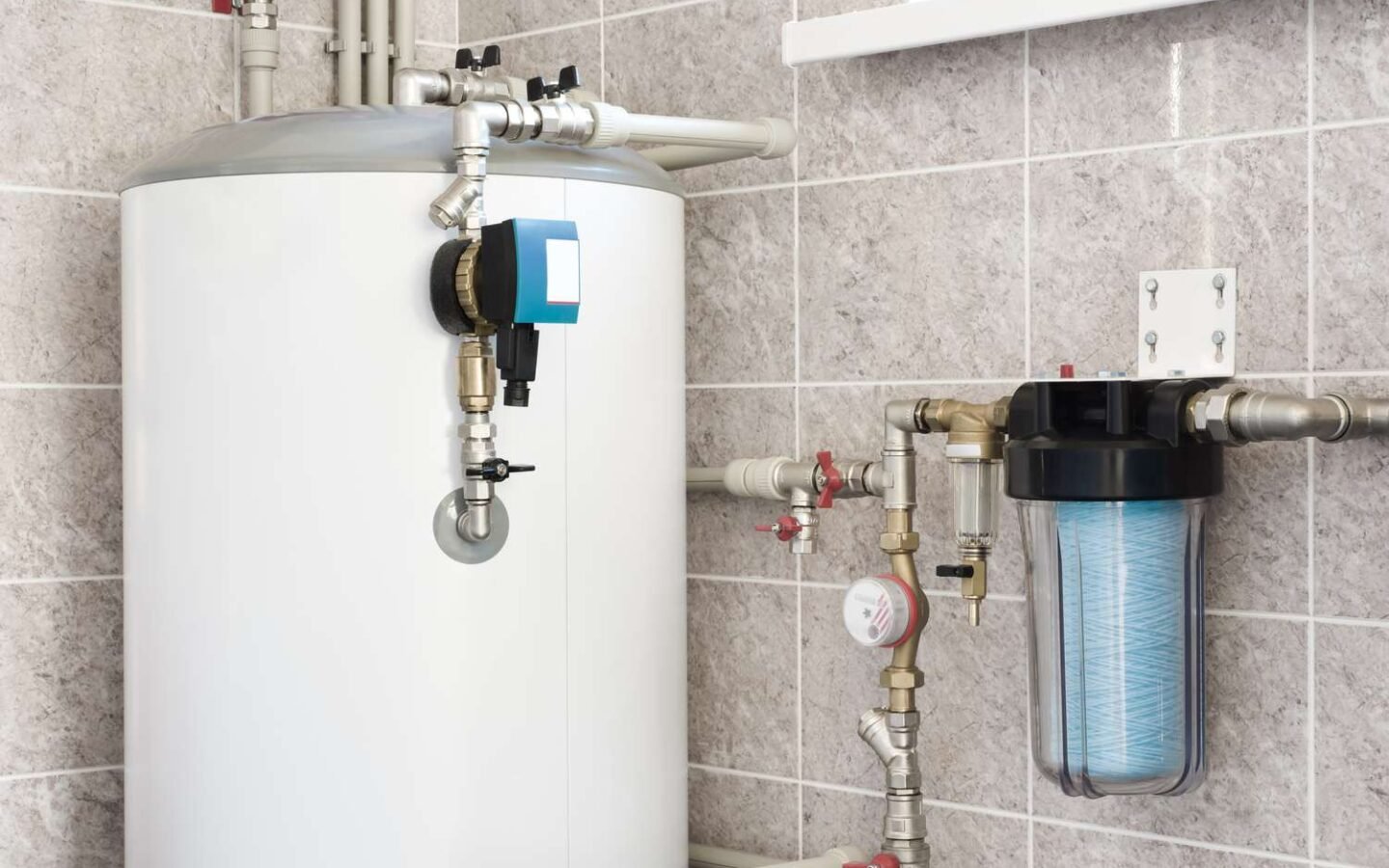
A hot water heater issue can have several possible causes. Sediment buildup, a faulty thermostat, damaged heating components, poor connections or an aging unit can all affect performance.
Sometimes the problem is relatively minor. Other times, the water heater may simply be reaching the end of its useful life.
Watch for warning signs such as:
- Water taking unusually long to heat
- Hot water running out faster than usual
- Strange popping or banging noises
- Rust-colored water
- Leaking around the heater
- Inconsistent water temperature
If a water heater is leaking heavily or showing signs of serious damage, don’t keep experimenting with it. Water and electrical or gas equipment aren’t a combination worth taking chances with.
Water Storage Can Be Important
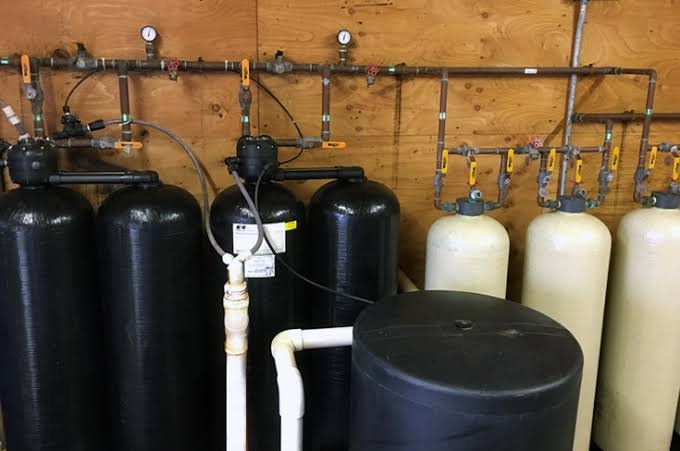
In areas where water supply is inconsistent, adequate storage can make everyday life much easier. A properly planned water storage installation gives households a reserve that can be used when the incoming supply is limited or temporarily interrupted.
But installing a storage tank isn’t simply a matter of buying the biggest container available.
The tank needs an appropriate location, secure support, suitable pipe connections and enough capacity for actual household requirements. Plumbing design also matters, particularly if pumps or multiple outlets are involved.
A professional can assess daily water use and recommend an arrangement that fits the property rather than relying on guesswork.
Small Leaks Deserve Immediate Attention
Not every leak creates a dramatic puddle.
Some are slow and hidden, developing behind cabinets, beneath flooring or inside walls. These leaks can be particularly troublesome because they may continue for weeks before becoming obvious.
Keep an eye out for damp smells, discolored walls, bubbling paint, swollen cabinets or unexplained increases in your water bill.
A dripping faucet is another simple example. One drop seems insignificant, but constant dripping wastes water and may indicate a worn internal component.
The earlier a leak is found, the easier it is generally to deal with.
Water Pressure Can Reveal a Bigger Problem
Water pressure is one of those things you only notice when it changes.
If one faucet suddenly has weak flow, the problem may be a clogged aerator or local restriction. If several fixtures throughout the house experience low pressure at the same time, the cause could be more significant.
High pressure isn’t ideal either. Excessive pressure can place unnecessary strain on pipes, valves, water heaters and household appliances.
Instead of immediately replacing fixtures, determine whether the problem is isolated or affecting the entire plumbing system. That distinction can save both time and money.
Slow Drains Shouldn’t Become a Routine
A drain that takes a few extra seconds to empty might not seem important. But if the water gets slower every week, something is probably building up.
Kitchen drains commonly collect grease, food residue and other debris. Bathroom drains tend to deal with hair, soap and personal-care products.
Repeated blockages can sometimes indicate a deeper obstruction.
While some basic cleaning methods are fine for minor buildup, persistent problems are better assessed professionally. Repeatedly pouring harsh chemicals into a drain isn’t always the best solution, especially if you don’t know what’s causing the blockage.
Your Pipes Have a Story to Tell
Older plumbing systems can develop problems that aren’t immediately visible.
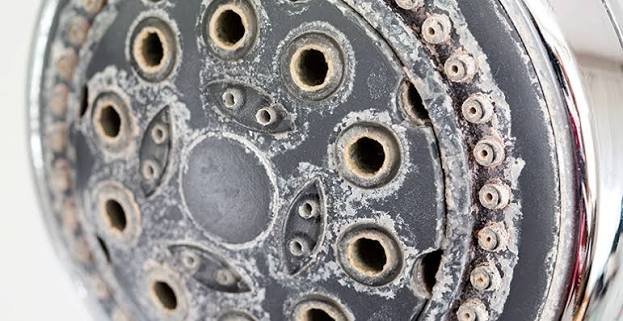
Corrosion, mineral deposits, worn joints and aging pipe materials may gradually affect water flow and reliability. If a home has had repeated leaks in different areas, it may be worth considering whether the plumbing system itself needs inspection.
This is particularly relevant during renovations.
If you’re already opening walls or floors to remodel a kitchen or bathroom, it’s a good opportunity to inspect pipes and connections. Replacing an aging component while the area is accessible can be much easier than repairing it after everything has been finished.
Good Plumbing Maintenance Is Mostly Common Sense
You don’t need to spend every weekend inspecting your plumbing.
A few simple habits are enough to catch many early warning signs. Look beneath sinks occasionally. Check visible pipes for corrosion. Listen for toilets that continue running. Pay attention to unusual smells and changes in water pressure.
And know where the main water shut-off valve is.
It sounds basic, but if a pipe suddenly bursts, knowing exactly how to shut off the supply can make a huge difference. In a stressful moment, searching for the valve is the last thing you want to be doing.
When It’s Time to Call a Professional
DIY repairs can be useful for simple tasks, but there’s a point where professional experience becomes valuable.
Hidden leaks, recurring blockages, water heater faults, pressure problems and major pipe repairs can become more complicated than they first appear.
A good plumber should explain what’s happening, what needs to be done and why. You don’t have to understand every technical detail, but you should feel comfortable asking questions.
Price matters, naturally, but don’t make it the only deciding factor. Proper diagnosis, quality materials and good workmanship often provide better value than a cheap repair that has to be repeated.
A Reliable Plumbing System Makes Life Easier
Plumbing isn’t glamorous. Nobody stands in the kitchen admiring a perfectly functioning drain.
And that’s actually the point.
Good plumbing works quietly in the background. Toilets flush, showers stay comfortable, water flows where it should and storage systems provide backup when needed.
The smartest approach is simple: notice changes, address small problems early and maintain the equipment you depend on every day.
You can’t prevent every plumbing emergency. Pipes age, components fail and unexpected things happen. But with sensible maintenance and professional help when necessary, you can reduce the chances of a small problem turning into a very expensive surprise.
Sometimes the best home improvement is simply making sure everything behind the walls keeps doing its job.