Some household problems are obvious from the start. A leaking pipe makes itself known. A broken water heater usually gets your attention pretty quickly. Mineral buildup is different. It tends to arrive quietly, becoming part of the background until you suddenly notice cloudy glasses, crusty faucets, stiff laundry, or a shower that seems to need cleaning every other day.
For many homeowners, the underlying issue is hard water. It isn’t usually an emergency or a sign that the water is unsafe to drink. Instead, hardness is mainly a water-quality concern that can make ordinary household tasks more difficult and contribute to maintenance problems over time. The good news is that once you understand what’s happening, there are practical ways to manage it.
Where Hardness Comes From
Water picks up minerals as it travels through soil and rock. Calcium and magnesium are the main contributors to hardness, and groundwater supplies can contain significant amounts of both depending on local geology.
You may not notice those minerals when drinking a glass of water. They aren’t necessarily visible or particularly dramatic. Their effects become clearer when the water interacts with soap, heat, fixtures, and appliances.
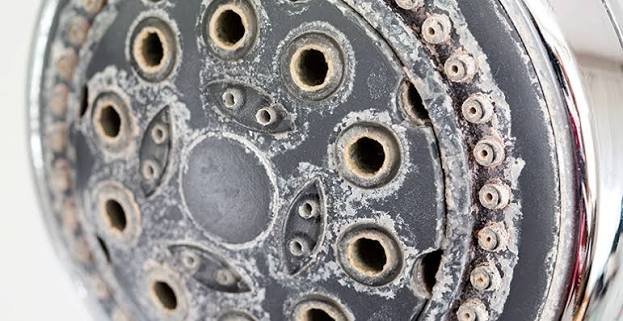
For example, you might find that soap doesn’t lather quite as easily as expected. After washing dishes, glasses may have small spots or a hazy appearance. The bathroom can develop a chalky film around faucets and showerheads. None of these issues seems serious on its own, but together they can become surprisingly irritating.
And then there’s the cleaning. Hard-water residue has a way of making you feel like you’ve just finished cleaning something only to find another white mark the next morning.
Why Mineral Buildup Matters
One of the bigger concerns is what happens when dissolved minerals settle onto surfaces or accumulate inside equipment. These scale deposits can form around faucets, showerheads, pipes, and appliances that regularly heat water.
Water heaters are especially worth considering because heating can encourage minerals to come out of solution and accumulate on internal components. A layer of mineral material doesn’t necessarily mean an appliance is about to fail, but persistent buildup can interfere with efficient operation and create another maintenance concern.
The same general principle applies to plumbing fixtures. Narrow passages and small openings can become restricted as deposits accumulate. A showerhead that once delivered a strong, even spray may eventually develop clogged openings. Again, it’s a slow process. That’s precisely why it can be easy to overlook.
What a Water Softener Does
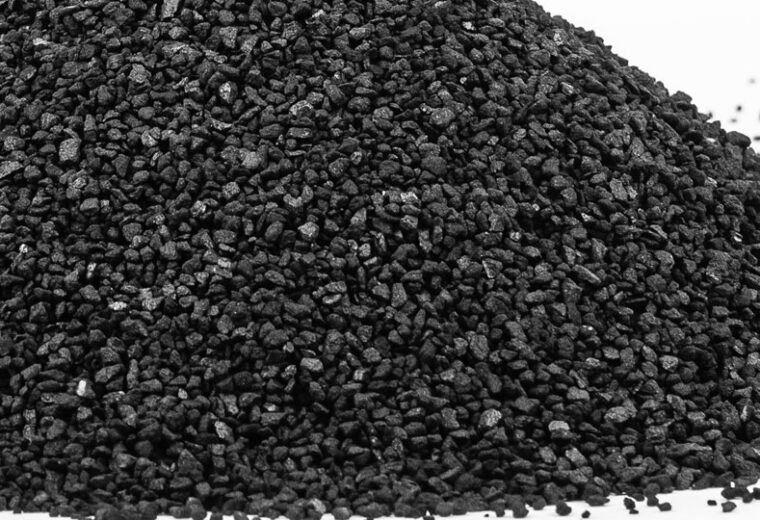
A conventional water softener addresses hardness by using ion exchange. Inside the treatment tank are resin beads designed to attract calcium and magnesium ions. As hard water passes through the resin, those hardness minerals are exchanged for sodium or, in some systems, potassium ions.
Eventually, the resin becomes loaded with hardness minerals and needs to be regenerated. In a traditional salt-based system, a brine solution is used during this process to restore the resin so it can continue operating.
It’s worth understanding what this process does—and doesn’t do.
A softener is designed to reduce hardness. It isn’t a universal water purifier. It doesn’t automatically remove every contaminant that might be present in a water supply. If a home has concerns involving sediment, bacteria, certain chemicals, iron, or other water-quality issues, additional treatment may be necessary.
That’s why testing the water before choosing equipment is such a sensible step.
Choosing the Right Size
Buying the biggest system available isn’t necessarily the smartest approach. A softener should match the home’s actual water conditions and usage.
Household size matters, of course. So does the hardness level. Daily water consumption and peak demand can also affect equipment selection. A small household with moderate hardness has very different requirements from a busy family using several bathrooms throughout the day.
An undersized system may regenerate more often than necessary and struggle during periods of high demand. An oversized system can cost more upfront and may use more resources than the household really needs.
A water professional can calculate capacity based on water test results and household consumption rather than relying on guesswork. It may take a little more planning at the beginning, but that’s preferable to installing equipment that isn’t properly matched to the home.
Installation Deserves Some Thought
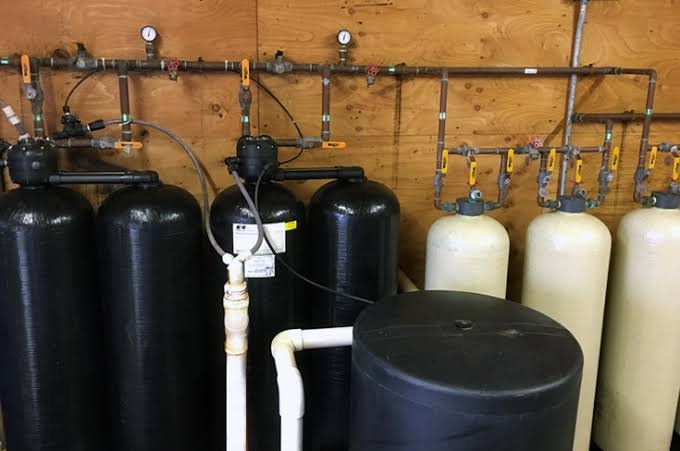
Where the system is installed matters more than people sometimes realize. A proper water softener system installation should take the existing plumbing arrangement, drainage, water pressure, electrical requirements, and available space into account.
The unit should also remain accessible. Nobody wants to discover six months later that the equipment is wedged behind something and nearly impossible to inspect or service.
Salt-based systems need convenient access for replenishment, while controls and valves should be positioned so they can be checked without unnecessary hassle. A bypass arrangement can also be useful when the system needs maintenance or when untreated water is temporarily preferred.
Professional installation can help ensure the connections are secure and the equipment is configured according to its design. It’s not just about getting water from one pipe to another.
Salt-Free Systems and Common Confusion
Not every hard-water treatment product works like a traditional softener.
Some salt-free conditioners are designed to alter how minerals behave and reduce their tendency to create certain forms of scale. They can be useful in particular situations, but they generally shouldn’t be treated as interchangeable with an ion-exchange softener.
This distinction is important when shopping for treatment equipment. Marketing language can sometimes make different technologies sound nearly identical when their actual functions are quite different.
If reducing hardness itself is the goal, make sure the product you’re considering is designed to do that.
Testing Should Come First
Before spending money on treatment equipment, test the water.
A basic hardness test can establish whether the mineral content is low, moderate, or high. Depending on the water source, additional testing may identify iron, manganese, sediment, pH concerns, or other characteristics that influence treatment decisions.
This is especially important for private wells, where water conditions can vary considerably. Even municipal water supplies can have different characteristics depending on the source and local treatment practices.
Testing doesn’t have to lead automatically to buying a softener. Sometimes the results show that treatment isn’t necessary. That’s useful information, too.
Everyday Benefits Can Be Quite Simple
When hardness is reduced appropriately, the improvements aren’t necessarily dramatic. They’re often small conveniences that add up.
Soap may rinse more cleanly. Dishes can have fewer spots. Shower doors may require less scrubbing. Laundry may feel different, particularly when detergent has previously struggled with mineral-rich water.
There can also be benefits for appliances and plumbing by reducing one source of mineral accumulation. But expectations should stay realistic. Softening water won’t magically restore an old water heater or repair plumbing that’s already damaged.
Maintenance still matters.
Don’t Forget the System Itself
A softener isn’t a “set it and forget it” appliance.
Salt-based equipment needs regular attention to its salt supply. The system may also require cleaning, inspections, and occasional professional service. Controls, valves, and sensors should be checked if something doesn’t seem to be operating normally.
Keeping the area around the equipment clean and accessible makes these tasks easier. It’s also worth watching for leaks around plumbing connections, particularly after installation or servicing.
A small amount of routine attention can prevent a minor issue from turning into an inconvenient one.
Making the Decision
Whether a softener belongs in your home depends on the actual water conditions and the problems you’re experiencing.
If testing shows substantial hardness and you’re regularly dealing with spotting, residue, cleaning difficulties, or mineral-related maintenance concerns, treatment may make everyday life easier. If hardness is relatively low, you may decide that installing and maintaining equipment isn’t worth it.
There isn’t one perfect answer for every household.
The sensible approach is fairly straightforward: test the water, understand what the results mean, compare treatment technologies, and consider both installation and ongoing costs. Don’t buy equipment simply because a neighbor has one or because an advertisement promises perfect water.
Hard water is rarely a dramatic problem. It’s more of a slow, persistent nuisance that gradually becomes harder to ignore. And sometimes, solving those quiet household annoyances is what makes a home feel a little easier to live in. That’s a worthwhile goal in itself.