Water is something most people expect to be there without giving it much thought. Turn on the kitchen faucet, fill a glass, start the coffee maker, take a shower. Simple. But when the water starts tasting strange or leaves spots and buildup behind, you suddenly realize just how much of daily life depends on having good water.
The good news is that improving water quality doesn’t always have to be complicated. With the right treatment system, homeowners can address specific concerns while making their water more pleasant to use. The important part is choosing a solution based on the actual condition of the water, not simply buying whatever happens to be popular.
Start With What Your Water Is Telling You
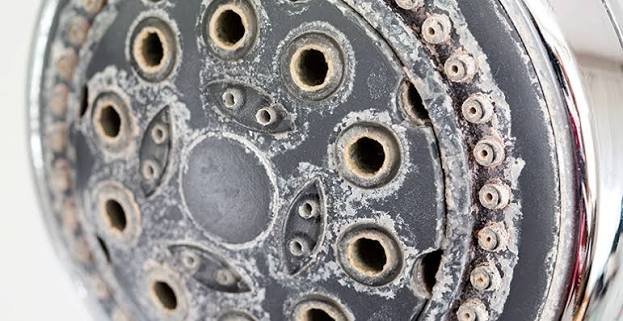
Before choosing a purification system, pay attention to the little signs around the house. Do faucets develop white deposits? Does the water have an unusual smell? Are there particles floating in a glass? Maybe the taste has changed recently.
These signs don’t necessarily mean there’s a serious problem, but they are worth investigating.
A professional water test can help identify hardness, minerals, sediment, pH, chlorine, and other characteristics. Once you know what’s actually present, choosing a treatment method becomes much easier.
It’s a bit like fixing a car. You wouldn’t replace the engine just because the vehicle made a strange noise. You’d figure out what caused it first.
Why Good-Tasting Water Matters
Water quality isn’t just about technical measurements. Taste matters, too.
If tap water has a chlorine-like taste or a slightly metallic flavor, people may simply stop drinking it. They reach for bottled water instead, which adds cost and creates more plastic waste over time.
A properly selected treatment system can help produce great-tasting, purified water that’s more enjoyable for drinking and cooking. And when the water tastes good, there’s less temptation to constantly buy bottled water for everyday use.
Of course, taste improvement depends on what’s causing the problem. That’s another reason testing matters. The right filter for chlorine may not address hard water, and a softener isn’t designed to solve every taste issue.
Different Problems Need Different Solutions
There isn’t one treatment system that handles every water concern. Different technologies have different jobs.
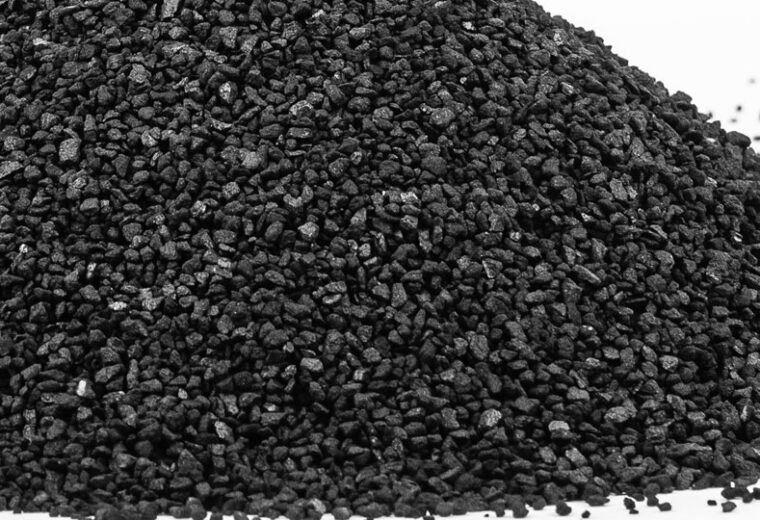
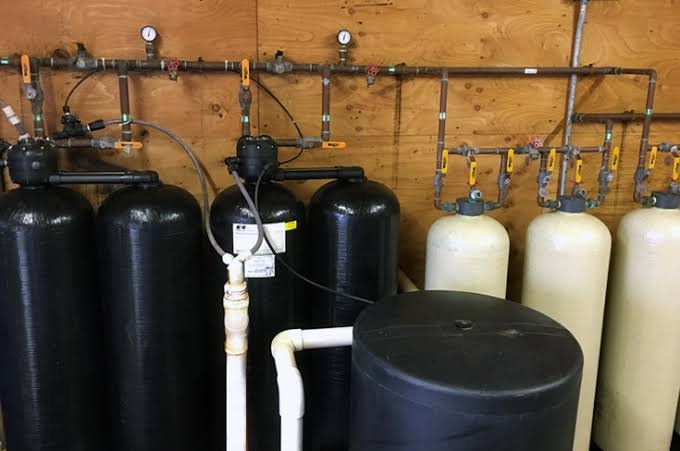
Water softeners are commonly used to reduce hardness caused by calcium and magnesium. Carbon filtration can help with certain tastes, odors, and chemicals. Sediment filters capture particles, while reverse osmosis systems can reduce many dissolved substances from drinking water.
Some homes may need one treatment method. Others may benefit from a combination.
The goal isn’t to install the most equipment possible. It’s to install the equipment that solves the actual problem.
Choosing Reliable Equipment
When researching reliable water purification systems, look beyond the initial price tag. A low-cost system might seem attractive, but replacement filters, maintenance requirements, installation, and expected lifespan all contribute to the real cost.
Ask how often filters need changing. Find out whether replacement parts are easy to obtain. Understand what the system is designed to remove and, just as importantly, what it isn’t designed to remove.
A trustworthy provider should be willing to explain these details without making the conversation feel like a sales pitch.
You should leave the discussion understanding why a particular system fits your home.
Whole-Home or Drinking-Water Treatment?
Another question is whether you need treatment at one faucet or throughout the property.
Point-of-use systems are often installed under the kitchen sink and focus on water used for drinking and cooking. They’re useful when the primary concern is the quality or taste of drinking water.
Whole-home systems work differently. They treat water before it reaches the various fixtures, which can be helpful when homeowners want to address water-quality concerns throughout the house.
Think about your priorities. If your main complaint is the taste of drinking water, a point-of-use system may be enough. If you’re also dealing with odors during showers or sediment throughout the plumbing, broader treatment could be more appropriate.
Don’t Forget Your Appliances
Water quality affects appliances more than people sometimes realize.
Hard water can contribute to mineral scale inside water heaters, dishwashers, washing machines, coffee makers, and other equipment. Sediment can also collect in plumbing components and fixtures.
Treatment won’t replace regular appliance maintenance, but addressing problematic water conditions can help reduce unnecessary buildup.
For example, a household that uses a lot of hot water may notice scale problems sooner than a smaller household. Treating the underlying hardness can make a noticeable difference over time.
It’s one of those benefits that doesn’t always get much attention until you see the buildup disappear.
Ask for a Free Estimate
If you’re considering a new treatment system, getting a free estimate can help you understand the potential investment before making a decision.
A useful estimate should consider more than the equipment itself. Installation, plumbing modifications, replacement filters, maintenance, and other ongoing costs may all matter.
Don’t be afraid to ask questions. What exactly is included? How long should installation take? What maintenance will be required? Are replacement parts readily available?
Clear answers make it much easier to compare options fairly.
Maintenance Keeps Water Quality Consistent
Even a high-quality system needs routine attention. Filters eventually become saturated, membranes wear out, and mechanical components can need servicing.
Keep track of filter changes and follow the manufacturer’s recommendations. Pay attention to changes in taste, odor, pressure, or appearance.
If your water suddenly seems different, don’t simply assume the system is still working normally. A quick inspection may identify something as simple as an overdue filter replacement.
Small maintenance tasks are much easier to deal with than major failures.
Think Long-Term, Not Just About Today
Choosing water treatment is an investment in something your household uses every day. That’s why the cheapest option isn’t always the best option, and the most expensive one isn’t automatically the best either.
Look for a system that fits your water quality, household size, usage patterns, budget, and willingness to maintain the equipment.
Most importantly, choose based on facts. Test the water, understand the results, compare technologies, and ask for professional guidance when you’re unsure.
Better Water Doesn’t Have to Be Complicated
At the end of the day, good water treatment is about solving a real problem in a practical way.
Maybe you want better-tasting drinking water. Maybe you’re tired of mineral deposits on your faucets. Perhaps you’re trying to protect your appliances or improve water quality throughout the house.
Whatever the reason, start with the water itself. Once you understand what’s happening, the right solution becomes much easier to find.
And when the system is properly chosen and maintained, it can quietly do its job for years. You turn on the faucet, fill a glass, and don’t think twice about it. That’s the kind of convenience good water treatment is supposed to provide.