
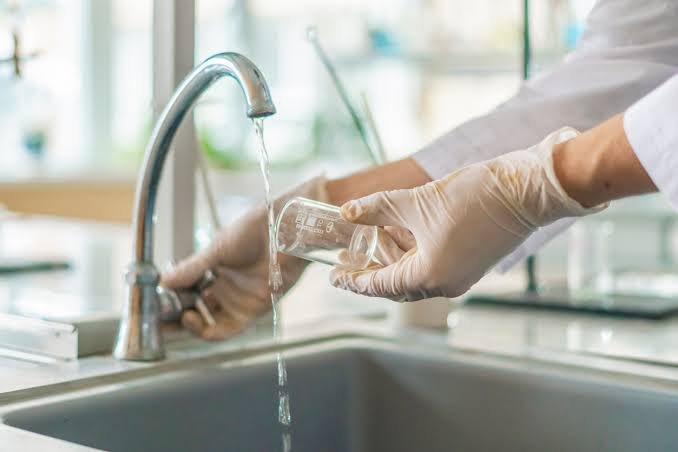
You turn on the kitchen faucet to fill a glass, and something seems a little off. Instead of looking crystal clear, the water appears cloudy or slightly milky. Maybe it clears after sitting for a few seconds, or maybe it stays hazy no matter how long you wait. It’s easy to shrug it off and assume it’s nothing serious, especially if it only happens once in a while.
Still, water has a way of telling us when something deserves a closer look.
Not every case of cloudy water signals a major problem, but it shouldn’t be ignored either. Sometimes the cause is completely harmless, while other times it may point to issues that deserve professional attention. Understanding the difference can save you unnecessary worry, protect your plumbing, and help ensure your family continues enjoying clean, reliable water every day.
Not All Cloudy Water Means the Same Thing
One of the first things homeowners should know is that cloudy water has several possible causes.
In many homes, tiny air bubbles become trapped in the water as it moves through pressurized plumbing. If the cloudiness disappears from the bottom of the glass upward within a minute or two, air is probably the reason. That’s generally harmless and doesn’t require treatment.
Other situations are less straightforward.
Suspended sediment, dissolved minerals, corrosion inside older plumbing, or changes in the local water supply can also affect clarity. Private wells may introduce additional challenges depending on seasonal groundwater conditions or heavy rainfall.
The appearance alone doesn’t always reveal the true cause, which is why careful evaluation matters.
Paying Attention to the Details Helps
A few simple observations can provide useful clues.
Does the cloudiness occur only in hot water?
Does it affect every faucet or just one?
Did it begin after plumbing repairs or heavy rain?
These small details often help narrow down possible explanations before testing even begins.
Homeowners sometimes overlook these patterns, yet they provide valuable information when discussing water quality with a professional.
Water problems usually leave little hints if we’re willing to notice them.
When Water Looks Different, Don’t Guess
Seeing cloudy water naturally raises questions.
Is it safe?
Should you keep drinking it?
Do you need a filtration system immediately?
The honest answer depends on what’s causing the appearance. That’s why guessing rarely helps.
Instead, testing and inspection provide real answers. Water analysis can identify sediment, mineral content, hardness, pH levels, dissolved solids, and other characteristics that influence both water clarity and overall quality.
Understanding the source is always more effective than treating symptoms alone.
Small Changes Can Point to Bigger Issues
Many homeowners live with minor water concerns for months—or even years—because the changes happen gradually.
The shower door develops more white residue than usual.
Coffee tastes slightly different.
Soap doesn’t lather quite as well.
Appliances need more frequent cleaning.
Sometimes these everyday annoyances accompany cloudy water problems, suggesting that minerals or sediment are affecting more than just appearance. Left unaddressed, those same issues can reduce appliance efficiency, contribute to plumbing buildup, and increase maintenance costs over time.
Paying attention early often prevents much larger expenses later.
Private Wells Require Extra Attention
Families using private wells should be especially proactive about water quality.
Unlike municipal systems, private wells aren’t continuously monitored by local utilities. Seasonal weather, groundwater movement, nearby construction, and natural geological conditions can all influence water clarity and composition.
Routine testing helps identify changes before they become serious concerns.
Even if your well has produced excellent water for years, conditions beneath the surface can gradually evolve over time. Regular evaluations provide peace of mind while helping homeowners respond quickly if something changes.
Choosing the Right Treatment Makes a Difference
Many people assume that every water filter solves every water issue.
Unfortunately, that’s not how treatment works.
Different water conditions require different technologies. Sediment filtration, activated carbon, reverse osmosis, ultraviolet disinfection, and water softeners each address specific concerns.
Selecting appropriate water filtration systems begins with understanding exactly what’s affecting your home’s water. Installing equipment without testing first may improve one issue while leaving the real problem untouched.
A customized solution almost always performs better because it’s based on actual water conditions rather than assumptions.
Better Water Benefits the Entire Household
Improving water quality goes far beyond making drinking water look clearer.
Cleaner water often means brighter laundry, fewer mineral stains on fixtures, better-tasting coffee, softer skin after showers, and improved appliance efficiency. Dishwashers leave fewer spots, water heaters operate more effectively, and plumbing experiences less long-term buildup.
Many homeowners are surprised by how many everyday routines improve after addressing water quality.
The changes aren’t dramatic.
They’re simply consistent.
And over time, consistency becomes something you appreciate every day.
Routine Maintenance Keeps Systems Performing Well
Once treatment equipment is installed, regular maintenance helps ensure long-lasting performance.
Filters eventually need replacement, cartridges wear out, and certain treatment systems require periodic inspections to continue operating efficiently. Fortunately, modern equipment is designed to make routine maintenance straightforward and manageable.
Following manufacturer recommendations protects both the system itself and the quality of water flowing throughout your home.
It’s a small commitment that delivers reliable results year after year.
Better Water Starts With Better Information
Cloudy water isn’t something homeowners should automatically fear—but it isn’t something to ignore either.
Sometimes the explanation is as simple as trapped air bubbles. Other times, it reflects changes in sediment, minerals, or plumbing conditions that deserve attention.
The smartest response isn’t panic.
It’s curiosity.
Testing your water, understanding the results, and choosing treatment based on accurate information ensures you’re solving the real problem instead of making expensive guesses.
In the end, clean water supports countless ordinary moments—preparing meals, filling water bottles, washing clothes, taking showers, and sharing dinner with family. Those moments deserve water that’s dependable, clear, and enjoyable every single day.
A little attention today can help protect your home, your plumbing, and your peace of mind for many years to come.

