There’s a quiet disappointment that comes with water that looks fine but tastes wrong. You fill a glass, take a sip, and there it is — that flat, mineral-heavy, slightly chemical taste that makes you reach for bottled water instead. It’s not dramatic. Nobody calls a plumber because their water “feels boring.” But over time, that small frustration becomes part of daily life.
Good drinking water should not feel like a compromise. It should make coffee taste cleaner, ice smell fresher, and cooking feel a little more dependable. That is why more homeowners are paying attention to what is actually coming from the tap, not just whether the water is clear.
Why Clear Water Is Not Always Clean-Tasting Water
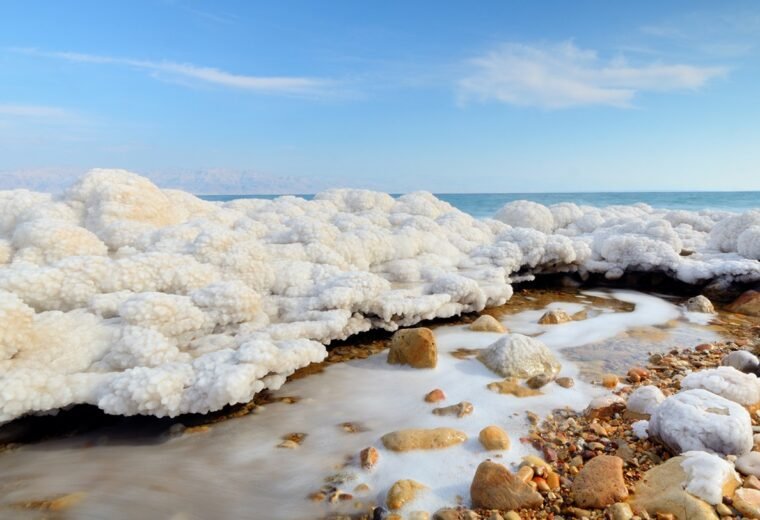
Water can look perfectly clear and still carry substances that affect taste, smell, and overall quality. Minerals, chlorine, sediment, and dissolved materials can all influence the way water behaves in your home. Some of these are easy to notice. Others are invisible until they show up in tea, ice cubes, or that chalky buildup around the kettle.
A drinking water system that removes dissolved solids can help reduce many of the materials that pass through basic filters. This is especially useful when water tastes heavy, leaves residue, or makes drinks feel less fresh than they should. It’s not about making water fancy. It’s about making it pleasant enough that people actually want to drink it.
The Kitchen Tap Does More Than Fill Glasses
Most families use kitchen water constantly. It goes into pasta, rice, soup, coffee, tea, baby bottles, pet bowls, and ice trays. So when the water has an odd taste, it quietly affects more than one glass at a time. A pot of soup can pick up the flavor. Coffee can taste dull. Even ice cubes can carry that faint smell from the tap into every cold drink.
That’s why improving drinking water often feels bigger than expected. It’s not just a health-conscious decision or a convenience upgrade. It changes small routines that happen several times a day.
What Better Taste Really Means
People sometimes talk about better tasting water as if it is only a preference, like choosing one brand of coffee over another. But taste matters because it affects habits. When tap water tastes clean and fresh, people drink more of it. Kids stop asking for juice as often. Adults refill bottles before leaving the house. The family stops buying cases of plastic bottles every week.
Better taste can also make homemade drinks and meals more enjoyable. Tea becomes brighter. Coffee loses that strange aftertaste. Clearer ice makes cold drinks feel cleaner. These are small things, sure, but home comfort is often built from small things.
Reverse Osmosis and Deeper Filtration
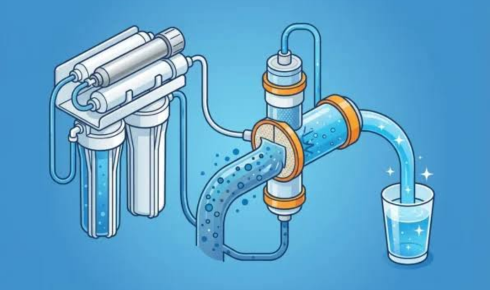
For homeowners who want a more thorough drinking water solution, reverse osmosis is often a strong option. It uses a fine membrane, along with supporting filters, to reduce many dissolved substances and improve clarity and taste. Most systems are installed under the kitchen sink and connected to a dedicated faucet.
A basic carbon filter may be enough for mild chlorine taste or odor. But if your water has higher dissolved solids, mineral taste, or persistent unpleasant flavor, a more advanced system may be worth considering. The right choice depends on your water test results, not guesswork.
Why Testing Comes First
Water issues can be tricky because different problems can feel similar. A metallic taste may point to one concern. A chlorine smell may point to another. Cloudy water could be harmless air bubbles, sediment, or mineral content. Without testing, it is easy to buy the wrong filter and still have the same problem.
A water analysis can show what is actually present, including hardness, total dissolved solids, chlorine, iron, pH, or other factors depending on the test. Once you know the details, choosing the right system becomes much simpler.
Contaminants Are Not Always Obvious
One reason families invest in drinking water treatment is contaminant reduction. Depending on the technology used, filtration may help reduce unwanted substances that affect water quality, taste, and confidence. This can be especially important for households that rely heavily on tap water for drinking and cooking.
Of course, no single system should be assumed to remove everything. That is why product specifications and proper certification matter. A trustworthy provider should explain exactly what a system is designed to reduce and what maintenance it requires to keep performing well.
Maintenance Keeps Water Fresh
Any drinking water system needs care. Filters must be changed. Reverse osmosis membranes eventually need replacement. Storage tanks and faucets should be checked. If maintenance is skipped, water flow may slow down and performance can drop.
The good news is that maintenance is usually simple when planned properly. A calendar reminder or service schedule is enough for most homeowners. Better water should make life easier, not become another household headache.
Bottled Water Is Not the Only Answer
Bottled water seems convenient until you think about the cost, storage, plastic waste, and constant restocking. A good under-sink drinking water system can reduce that routine. The water is already there when you want it. No heavy cases. No half-empty bottles on nightstands. No emergency grocery runs because the last bottle is gone.
A Simple Upgrade with Daily Payoff
Cleaner drinking water is not the loudest home improvement, but it may be one of the most used. Every glass, every pot of coffee, every tray of ice reminds you why it matters.
When water tastes fresh, people stop thinking about it so much. They just drink it, cook with it, and trust it. And really, that’s the whole point. Good water should feel easy, ordinary, and always within reach.