
There’s a moment — usually small, almost forgettable — when you take a sip of water and pause. Not because it’s bad, exactly. Just… different. A faint chemical note, maybe. Or a smell you can’t quite place. It’s subtle, but it lingers longer than you expect.
Most of us don’t question our water often. We trust it. It’s there, it works, and that’s usually enough. But every so often, something shifts, and suddenly you’re paying attention.
What’s Actually in Your Water?
Municipal water systems do a lot of work behind the scenes to make water safe. Disinfection is a big part of that process, and for good reason. Without it, harmful bacteria and contaminants could easily make their way into the supply.
That’s where chlorine and chloramines come in. They’re widely used to keep water clean and safe as it travels through pipes to your home. It’s effective — no question about that.
But while these disinfectants do their job well, they don’t always disappear completely. Trace amounts can remain, and that’s often what people notice first.
The Subtle Shift in Taste and Smell
You might not pick it up every day, but once you notice it, it’s hard to ignore. That slight pool-like scent. The faint edge in your drinking water that makes it feel less refreshing.
These residual elements can affect taste and odor in ways that feel minor but still matter. After all, water is something you use constantly — for drinking, cooking, even brushing your teeth. When it doesn’t feel right, it changes the experience in small but persistent ways.
And it’s not just about drinking. That same water runs through your coffee machine, your kettle, your ice maker. It becomes part of everything.
Why It Feels More Noticeable Over Time
Interestingly, many people say they didn’t notice these changes at first. It’s something that builds gradually.
Maybe you move to a new area. Or the local water treatment process changes slightly. Seasonal shifts can also play a role. Whatever the cause, your senses eventually catch up.
And once they do, you start connecting the dots. The taste in your tea. The smell when you run hot water. Even the way your shower feels — not necessarily unpleasant, just different.
Looking Beyond the Kitchen Sink
It’s easy to think of water quality as something that only matters when you’re drinking it. But the reality is broader than that.
Water touches every part of your home. It runs through your laundry, your showers, your cleaning routines. When there’s something off — even slightly — it shows up in ways you might not expect.
Skin can feel drier. Hair may seem less manageable. Cleaning surfaces might require a bit more effort. Again, nothing dramatic. Just small changes that add up over time.
Finding a Better Balance
So what can you do about it?
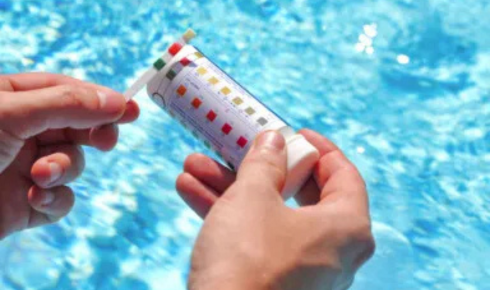
The first step is understanding your water. Not guessing, not assuming — actually knowing what’s present. A simple water test can give you clarity and help you decide what kind of solution makes sense.
From there, options vary. Some people choose point-of-use filters for drinking water. Others opt for broader systems that treat water as it enters the home. It depends on your needs, your priorities, and what you’re experiencing.
The goal isn’t to strip water of everything. It’s to create a balance — keeping it safe while making it more pleasant to use.
A Change You Feel, Not Just See
When you take steps to improve water quality throughout the home, the results tend to show up in quiet ways.
Water tastes cleaner. Showers feel more refreshing. Even the air in your home can seem a bit lighter, especially when hot water runs without that lingering chemical scent.
It’s not about perfection. It’s about comfort.
And over time, those small improvements become part of your routine. You stop thinking about your water — and that’s usually a good sign.
Why It’s Worth Paying Attention
Water is one of those essentials we rarely question until something feels off. But when it does, it’s worth listening to that instinct.
Not with urgency or worry, but with curiosity.
Because once you understand what’s happening, the path forward becomes clearer. You’re not guessing anymore. You’re making informed choices that fit your home and your lifestyle.
Closing Thoughts
That slight change in taste or smell? It’s not just in your head. It’s often a reflection of how water is treated and delivered — safe, but not always ideal in terms of experience.
By paying attention and making a few thoughtful adjustments, you can bring your water back to a place where it feels right again. Clean, reliable, and easy to trust.
And sometimes, that’s all it takes — one small shift to make something so essential feel effortless once more.

