
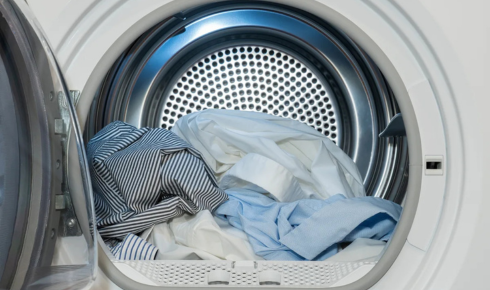
There’s something oddly reassuring about the low hum of a dryer in the background. It’s one of those sounds you don’t notice until it changes—or disappears altogether.
And when it does, you feel it almost immediately. Laundry piles up faster than expected, routines get disrupted, and suddenly, a simple task feels like a chore again.
The Moment You Realize Something’s Off
Most dryer problems don’t arrive with a bang. They sneak in quietly. Maybe your clothes aren’t drying as quickly. Maybe the machine feels a bit… off.
At first, it’s easy to ignore. You tell yourself it’s just a one-time thing. But when the same issue repeats, you start paying attention.
Sometimes, the problem shows up in a very obvious way—like when the drum not spinning becomes impossible to ignore. You hear the machine running, but the clothes just sit there, unmoving. It’s frustrating, and honestly, a little confusing if you’ve never dealt with it before.
This could be caused by a broken belt, a worn-out motor, or even a simple obstruction. But whatever the reason, it’s not something that fixes itself.
When the Noise Gets Hard to Ignore
Then there are the sounds. Not the usual hum or gentle thumping—but something sharper, louder, and a bit unsettling.
Excessive noise is often one of the clearest signs that something inside the dryer isn’t right. It might be a squealing sound, a grinding noise, or a persistent rattling that wasn’t there before.
What makes noise issues tricky is that they can mean different things. Worn bearings, loose components, or debris caught inside the drum can all create similar sounds. It’s like the dryer is trying to tell you something—you just have to figure out what.
Ignoring it rarely helps. In fact, it usually makes things worse.
When Performance Slowly Declines
Not all problems are loud or obvious. Some are subtle, creeping in over time.
You might notice that your dryer takes longer to do its job. Clothes come out warm but slightly damp. You run an extra cycle, then another. It becomes part of your routine without you even realising it.
This gradual drop in dryer performance is easy to overlook because it doesn’t feel urgent. The machine still works, technically. But it’s not working efficiently.
This could be due to clogged vents, a failing heating element, or even sensor issues. The tricky part is that the cause isn’t always visible from the outside.
The Temptation to Wait It Out
There’s a common instinct to wait. To see if the problem resolves itself. Maybe it was just a temporary glitch, you think.
But appliances don’t really work that way.
Small issues tend to grow. A loose belt today could snap completely tomorrow. A minor blockage could lead to overheating. Waiting often turns a manageable repair into something more complicated—and more expensive.
Acting early doesn’t just fix the problem faster. It prevents new ones from appearing.
Trying to Fix It Yourself
Let’s be honest, most of us have tried to fix something at home with the help of the internet. And sometimes, it works.
Basic maintenance—like cleaning lint filters, checking vents, or ensuring the dryer is level—can solve minor issues. These are good habits, really.
But once you start dealing with internal parts, things get tricky. Dryers are more complex than they look. There’s wiring, motors, and components that require careful handling.
It’s not about avoiding DIY completely. It’s about knowing when the problem is beyond a quick fix.
What Good Repair Feels Like
Here’s something people don’t always talk about: the experience of getting something repaired.
It’s not just about the outcome. It’s about the process.
A good repair service doesn’t rush. They take the time to understand the issue, explain what’s happening, and fix it properly. There’s a sense of confidence that comes from knowing the job was done right.
You’re not left guessing. You’re not worried about the problem coming back next week.
And that peace of mind? It’s worth a lot.
Small Habits That Keep Things Running
Interestingly, a lot of dryer problems can be avoided with simple habits. Cleaning the lint filter after every use. Checking vents regularly. Not overloading the machine.
These things might seem small, but they make a big difference over time.
It’s less about maintenance routines and more about awareness. Paying attention to how your dryer behaves and catching changes early.
Final Thoughts: Keeping the Rhythm of Daily Life
At the end of the day, a dryer is just one part of your home. But when it stops working properly, it reminds you how much you rely on it.
Fixing it isn’t just about the machine—it’s about restoring the flow of everyday life. The small, quiet routines that keep things moving smoothly.
So the next time your dryer starts acting a little strange, don’t ignore it. Listen to what it’s telling you.
Because sometimes, the smallest disruptions are the easiest to fix—if you catch them in time.

