
Most people don’t really think about water until it starts bothering them.
Maybe the tap water suddenly tastes a little sharp. Maybe there’s grit collecting in the bottom of the bathtub after running water for a while. Sometimes it’s subtler than that — dry skin after every shower, faded laundry, cloudy glasses fresh out of the dishwasher.
At first, people usually blame the wrong thing.
They switch soaps. Buy new appliances. Change detergents. Spend more time scrubbing fixtures that somehow never stay clean for long. But every now and then, the issue isn’t the products at all. It’s the water quietly flowing through the house every single day.
And honestly, once you start paying attention to water quality, it’s hard to stop noticing how much it affects everyday life.
Water Can Look Fine and Still Cause Problems
One of the oddest things about household water is that problems aren’t always visible.
Water may appear perfectly clear while still carrying chlorine, sediment, minerals, or other unwanted particles that affect taste, smell, plumbing, and comfort. In older homes especially, plumbing systems can introduce additional particles over time without homeowners realizing it immediately.
That’s why so many people are surprised after installing better filtration. They didn’t realize how “off” things had slowly become until the water improved.
I remember visiting a relative who installed a filtration system mostly because the kitchen water smelled heavily chlorinated. A month later, she casually mentioned her skin felt less dry and her tea tasted noticeably smoother. Those weren’t even the original reasons she upgraded.
Sometimes better water improves little things you didn’t expect.
Why Chlorine Both Helps and Annoys People
Municipal water systems commonly use chlorine because it plays an important role in disinfecting water supplies. That’s a good thing overall. But depending on local treatment levels, some homeowners become sensitive to the smell or taste over time.
You notice it most during hot showers or when filling a glass directly from the tap.
For some people, chlorine removal becomes less about safety concerns and more about comfort. They simply want water that tastes cleaner, smells more neutral, and feels gentler during everyday use.
And honestly, that’s understandable.
When water has a strong chemical smell, even subconsciously, people start avoiding it. Bottled water purchases increase. Guests ask for filtered drinks. The kitchen sink slowly becomes less trusted.
Sediment Is More Common Than People Think
Sediment issues are another thing homeowners often overlook initially.
Tiny particles of sand, rust, dirt, or pipe debris can enter household water supplies from aging infrastructure, wells, or disturbed municipal lines. Sometimes the particles are obvious. Other times they’re so small people only notice the effects indirectly.
Fixtures clog faster. Appliances collect residue. Water heaters experience buildup sooner than expected.
That’s where sediment filtration systems become especially useful. These systems help trap particles before they circulate through the home’s plumbing network.
And while sediment might sound minor compared to other water concerns, reducing those particles can noticeably improve appliance lifespan and overall water clarity over time.
Better Water Quietly Improves Daily Life
The funny thing about improving water quality is that the benefits usually feel subtle at first.
Nothing dramatic happens overnight. There’s no cinematic moment where sunlight suddenly sparkles through the faucet like an advertisement.
Instead, small annoyances slowly disappear.
The shower smells cleaner. Laundry feels softer. Faucets stay shiny longer. Ice cubes stop tasting strange. Coffee tastes more balanced somehow. Skin doesn’t feel quite as tight after bathing.
One homeowner I spoke with described it perfectly:
“It just made the house feel fresher.”
That’s honestly what many people are chasing without even realizing it.
Water Concerns Aren’t Always About Danger
This part matters because people sometimes jump straight to panic after reading alarming articles online.
Not every water issue signals a dangerous emergency. Some water simply contains minerals, chlorine, or naturally occurring substances that affect taste and comfort more than health. Others may require more serious attention.
The challenge is knowing the difference.
That’s why testing is usually the smartest first step. Proper analysis can identify potential contaminants, mineral levels, bacteria concerns, sediment issues, and other water characteristics before homeowners spend money on unnecessary equipment.
Without testing, people often rely purely on taste or internet advice, which isn’t always reliable.
Modern Filtration Systems Are More Practical Now
Years ago, water filtration systems often felt bulky, complicated, and expensive to maintain. Technology has improved a lot since then.
Modern systems range from simple under-sink filters to whole-house setups designed for larger households or well-water properties. Many are surprisingly compact and easier to maintain than older generations were.
The key is choosing the right system for the actual problem.
For example:
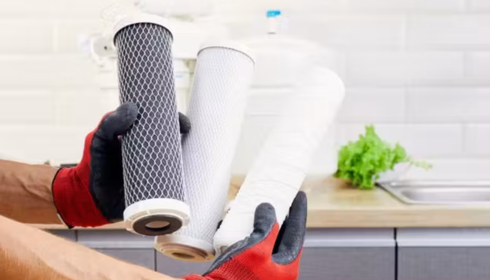
- Carbon filters often help with chlorine taste and odors
- Sediment filters target particles and debris
- Water softeners address mineral hardness
- Reverse osmosis systems focus on deeper purification
No single system solves every issue perfectly, despite what advertisements sometimes suggest.
Water Affects More Than the Kitchen Sink
People naturally focus on drinking water first, but household water quality affects nearly every room in a home.
It touches:
- Bathrooms
- Laundry rooms
- Kitchen appliances
- Plumbing systems
- Water heaters
- Dishwashers
- Showers and faucets
Cleaner water often reduces wear on appliances while also making routine cleaning easier. Less buildup, fewer stains, and reduced residue may not sound exciting, but homeowners definitely notice over time.
Final Thoughts
Water is one of those everyday essentials people barely think about when everything feels normal. But once the taste changes, odors appear, or residue starts building up, it quickly becomes impossible to ignore.
The good news is that modern filtration solutions give homeowners more control than ever before. Whether the goal is improving taste, reducing sediment, or addressing specific water concerns, even small improvements can make a house feel noticeably more comfortable.
And honestly, there’s something reassuring about knowing the water running through your home feels clean, balanced, and dependable again.

