
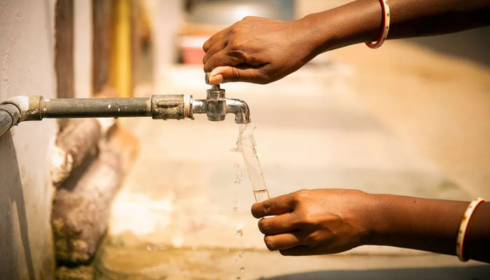
For something we use every single day, water has a strange way of fading into the background. You wake up, brush your teeth, make coffee, rinse dishes, maybe refill a bottle before heading out the door — all without really thinking about what’s flowing through the tap.
Most of the time, that trust feels automatic. If the water looks clear and doesn’t smell unusual, we assume everything’s fine. But lately, more homeowners are starting to question that assumption a little more carefully. And honestly, it’s not paranoia. It’s awareness.
Stories about aging infrastructure, groundwater concerns, and regional contamination issues have made people realize that water quality isn’t always as straightforward as it seems. Sometimes problems are obvious. Other times, they exist quietly in the background without changing taste or appearance at all.
That shift in awareness has changed how many families think about something that once felt completely ordinary.
The Difference Between Clear Water and Clean Water
One of the most misunderstood things about household water is that clear water isn’t automatically safe water. Some contaminants are invisible. Certain minerals, bacteria, or chemical traces can exist without creating obvious signs homeowners would immediately notice.
That’s why water testing has become far more common in recent years, especially for households relying on well systems or older plumbing infrastructure. Testing provides actual information instead of assumptions. It helps people understand what’s present in their water rather than simply trusting appearances.
A neighbor of mine tested their well water after noticing slight staining around fixtures. They expected maybe hard water minerals. Instead, the results showed elevated sediment levels they hadn’t anticipated at all. The water looked perfectly normal every day, which honestly made the discovery even more surprising.
The thing is, testing doesn’t always reveal major problems. Sometimes it confirms the water is perfectly fine. But either way, people tend to feel more confident once they know for sure instead of guessing.
Water Shapes Everyday Life More Than We Notice
What makes water concerns feel personal is how deeply connected water is to ordinary routines.
We cook with it. Wash produce with it. Brew tea and coffee with it. Children drink it straight from the faucet without a second thought. Pets rely on it too. Water quietly touches nearly every part of home life.
That’s why people care so much about the quality of their drinking water once they begin paying attention. It’s not only about health headlines or environmental concerns. It’s about daily trust.
There’s something comforting about filling a glass from the kitchen sink and not wondering whether you should be worried about what’s inside it. Most homeowners aren’t chasing perfection or obsessing over every possible contaminant. They simply want confidence in the basics.
And honestly, that feels pretty reasonable.
Regional Water Conditions Matter More Than People Think
One thing homeowners often overlook is how much local geography influences water quality.
Two neighborhoods in the same city can sometimes experience different mineral content or plumbing-related issues depending on water sources and infrastructure. Rural wells, municipal systems, groundwater conditions, and aging pipes all create different situations from one home to another.
That’s why there’s no universal solution for every household. Some homes mainly deal with hard water and mineral buildup. Others face chlorine taste, sediment, or occasional contamination concerns. In some cases, the water is technically safe but simply unpleasant enough to affect taste and comfort.
The important thing is understanding the actual issue before rushing into expensive filtration systems or random online fixes.
A lot of homeowners make the mistake of buying equipment first and asking questions later. But treating water properly usually starts with understanding what you’re treating in the first place.
Why Water Safety Feels More Important Now
Conversations around water safety have definitely grown over the last decade. Part of that comes from increased access to information. People hear about contamination incidents faster now than they once did. News travels instantly, even when problems happen far away.
But there’s also a broader shift happening. Homeowners have become more proactive overall about the environments they live in. Indoor air quality, food sourcing, household products, and water quality are all receiving more attention than they used to.
In many ways, people simply want more control over the spaces where they spend most of their lives.
And honestly, that doesn’t feel extreme. It feels practical.
Small Improvements Can Make a Big Difference
The good news is that homeowners today have more options than ever before when it comes to improving household water conditions.
Some families install under-sink filters for drinking water. Others use whole-home filtration systems or softeners depending on their local water profile. Even smaller changes — regular testing, replacing old plumbing components, or maintaining filtration equipment properly — can make noticeable differences over time.
What’s interesting is how subtle the benefits often feel afterward. Coffee tastes cleaner. Ice cubes look clearer. Showers feel softer. The house simply feels more comfortable in quiet, everyday ways.
None of those changes are dramatic individually, but together they shape daily life more than people expect.
Trusting What Comes Out of the Tap
At the end of the day, most homeowners aren’t looking for luxury when it comes to water. They’re looking for peace of mind.
They want to trust the glass they hand to their child at dinner. They want confidence in the water used for cooking, cleaning, and everyday routines. They want reassurance that the systems inside their homes are supporting healthier living instead of quietly creating problems.
And maybe that’s why water has become a bigger conversation lately. Because once people realize how central it is to everyday life, it stops feeling like “just water” and starts feeling like something worth understanding a little better.

