There’s a quiet kind of magic in natural light. You don’t always notice it when it’s there, but the moment it’s missing, something feels off. Rooms seem smaller, heavier somehow. And oddly enough, a big part of that experience comes down to the kind of glass we choose for our doors and windows.
It sounds like a technical detail—and it is—but it’s also deeply personal. The way light enters your home, the way warmth stays in (or slips out), even the way outside noise fades into the background… it all ties back to the glass.
The Subtle Comfort of Layered Design
At first glance, glass is just glass. Transparent, simple, almost invisible. But once you start looking a little closer, you realise there’s more going on beneath the surface.
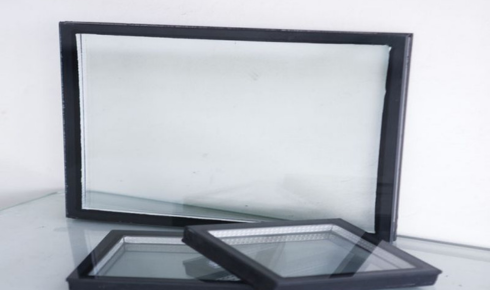
Take double pane glass, for example. Instead of a single sheet, it uses two layers with a small gap in between. That gap—often filled with air or gas—acts like a buffer. It slows down heat transfer, reduces outside noise, and makes the indoor environment feel a bit more stable.
You might not think about it on a daily basis, but you feel it. Especially during those hot afternoons or chilly evenings when the outside world is doing its thing, and your space remains… comfortable. It’s not dramatic, just quietly effective.
Keeping the Inside… Inside
There’s something satisfying about a home that holds its temperature well. Not perfectly, of course—nothing ever is—but enough that you’re not constantly adjusting fans or heaters.
That’s where insulated glass plays its role. It’s designed to keep indoor air from escaping too quickly, which means your cooling or heating systems don’t have to work overtime. Over time, that adds up—not just in comfort, but in energy use too.
I remember visiting a friend’s place during peak summer. Outside, it was unbearably hot. Inside? Surprisingly pleasant. Not cold, just balanced. And when I asked, they casually mentioned upgrading their windows and doors to insulated glass. It wasn’t a flashy change, but clearly, it made a difference.
Strength Without Losing Clarity
Of course, glass isn’t just about light and insulation. There’s also the question of durability. After all, it’s part of a door or window—something that’s used regularly, exposed to weather, and expected to last.
That’s where tempered glass comes in. It’s treated to be stronger than standard glass, more resistant to impact. And if it ever does break, it shatters into smaller, less dangerous pieces rather than sharp shards.
But what I like about tempered glass is that it doesn’t look heavy-duty. It still feels clean, minimal, almost delicate. It’s strength without the visual weight, which, honestly, is a pretty great combination.
It’s Not Just About Function
We often separate “practical” from “aesthetic,” as if they’re two different things. But when it comes to glass, they tend to overlap more than you’d expect.
The way light filters through a door panel in the morning. The soft glow it creates in the evening. Even the shadows it casts across the floor—these are small details, but they shape how a space feels.
And when the glass is well-chosen, those moments happen naturally. You don’t have to think about them. They just become part of your daily experience.
Living With the Choice
One thing that’s easy to forget is how long we live with these decisions. Glass isn’t something you swap out frequently. Once it’s installed, it becomes part of your home’s rhythm.
So the question isn’t just, “What looks good right now?” It’s also, “What will still feel right a year from now? Or five?”
Because over time, the novelty fades. What remains is how well it works—how it handles temperature, how it manages light, how it holds up under everyday use.
A Balance Worth Finding
There’s no single “perfect” option when it comes to glass. It depends on the space, the climate, the way you live. Some homes benefit more from insulation, others from added strength, and many from a mix of both.
The key is finding that balance. Not overthinking it, but also not overlooking it.
A Quiet Ending Thought
At the end of the day, glass is one of those things that works best when you don’t have to think about it. When it does its job so well that it fades into the background, leaving only the benefits behind.
A brighter room. A quieter space. A more comfortable home.
And maybe that’s enough.